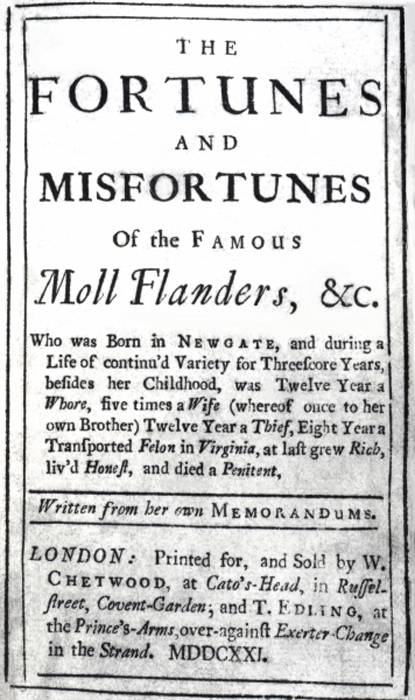





The narrative follows the extraordinary life of an unnamed protagonist known as Moll Flanders, born in Newgate prison and left destitute as an infant in Essex. Raised by a pious foster mother, Moll develops an early, consuming ambition to become a gentlewoman, a term she initially mistakes for simple self-reliance but soon learns requires wealth and status. Her youthful vanity leads her into a series of romantic entanglements and disastrous choices, beginning with a seduction by the eldest son of a wealthy Colchester family and a subsequent forced marriage to his younger brother.
Following the death of her second husband and the loss of her modest estate, Moll descends into a cycle of calculating marriages and financial destitution in London. Driven by desperation and a profound fear of poverty, she turns to a life of professional thievery and deception under the guidance of her seasoned governess. For twelve years, she operates as a cunning criminal, committing daring thefts across the city while evading the constant threat of the gallows through sheer agility and presence of mind.
Her criminal career culminates in her arrest and imprisonment in Newgate, the very birthplace she spent her life trying to outrun. Facing a death sentence, Moll undergoes a profound psychological and spiritual transformation, feigning penitence that gradually deepens into genuine remorse. Through the intervention of a former highwayman husband who shares her imprisonment, her sentence is commuted to transportation to the American plantations.
In Virginia, Moll builds a new life of honest industry alongside her transported spouse, eventually accumulating substantial wealth through shrewd management. Upon returning to England as an aging but prosperous woman, she resolves to spend her remaining years in quiet repentance and moral reflection. The narrative concludes with a retrospective view of a life defined by survival, transgression, and the ultimate redemption found in honest labor and spiritual awakening.