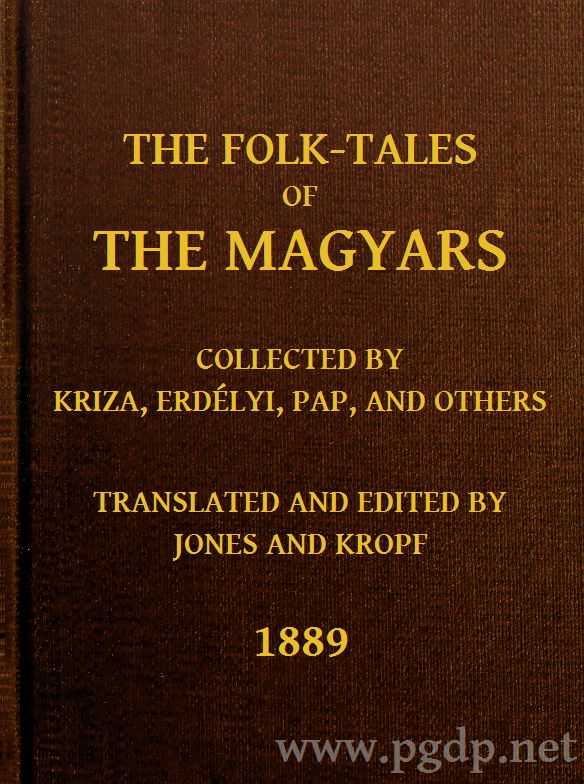





The work opens with an extensive scholarly introduction that explores the ethnic origins of the Magyar and Székely peoples, examining their historical links to Hunnish and Turco-Tartar tribes through comparative linguistics and early historical accounts. It details the intricate routes by which folk tales were disseminated across Europe by wandering students, soldiers, and travelling storytellers. A significant portion of the text is devoted to mythological elements in Székely folk life, categorizing supernatural beings such as giants, fairies, and witches. Giants are described not as grotesque monsters, but as gigantic human-like figures associated with ancient fortresses and hidden treasures.
Fairies appear as benevolent rulers of mountain castles, capable of transformation and deep passion, while witches are depicted as malicious tricksters skilled in harmful magic. The work compiles numerous folk remedies, superstitious practices associated with specific days of the week and calendar events, and ancient beliefs concerning animals and plants. These traditions reflect a blend of ancient pagan customs and subsequent Christian and Mohammedan influences. Following the theoretical analysis, the core of the volume presents a vast array of traditional Magyar folk tales. These narratives feature recurring motifs such as loyal animals, magical transformations, wicked adversaries, and righteous heroes who overcome impossible trials to achieve happiness and justice.