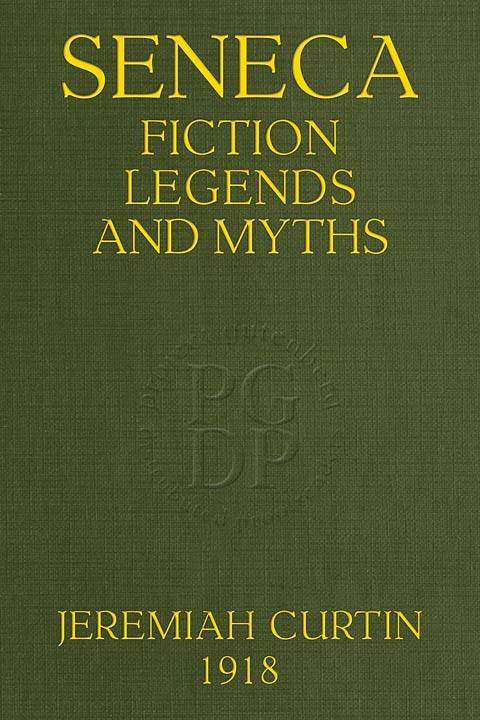




This collection of Seneca oral literature presents a comprehensive view of Native American tribal folklore, myths, and legends, carefully recorded by field ethnologists in the late nineteenth century. The volume begins with an extensive introduction detailing the history, social organization, and cultural framework of the Seneca people, who formed the western door of the League of the Iroquois. The main body of the work is divided into two parts, featuring traditional stories gathered directly from Seneca informants on reservations in New York. Part one contains numerous tales of fiction, heroic adventures, and animal legends collected by Jeremiah Curtin, while part two offers translated native texts and myths recorded by J.
N.B. Hewitt.
These narratives explore the origins of the world, the transformations of the first people into animals, plants, and natural forces, and the magical exploits of culture heroes. The texts demonstrate the rich poetic and philosophical heritage of the Seneca, illustrating how their stories served to explain the natural order and human experience. Throughout the work, the editors emphasize the moral and ethical depth of these indigenous traditions, countering misconceptions about Native American folklore and providing a vital resource for the study of comparative mythology and anthropology.