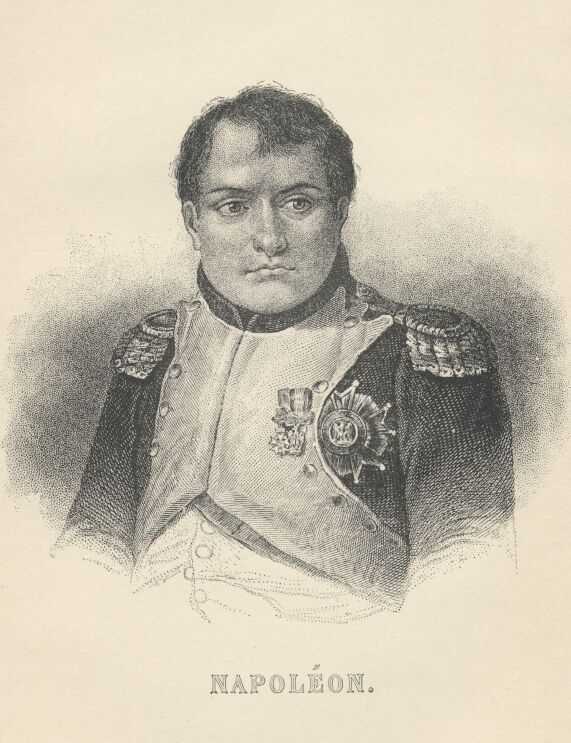




The memoirs begin with the shared youth of Napoleon and the author at the Brienne military school, noting Napoleon's early isolation, his intense dedication to mathematics, and his fierce attachment to his Corsican heritage. After years of separation, the two friends reunite in Paris amidst the chaos of the revolutionary period, where Napoleon experiences extreme poverty and obscurity before finding his opportunity on the thirteenth of Vendemiaire.
The narrative follows Napoleon's appointment as second in command of the army of the interior and his subsequent marriage to Josephine de Beauharnais just days before his departure to take command of the army of Italy. The author details the brilliant Italian campaign, characterised by rapid victories, financial exactions, and the complex diplomacy that led to the Treaty of Campo Formio and the fall of the Venetian Republic.
A significant portion of the work is devoted to the close working relationship within the cabinet where state documents and private correspondence passed through the secretary's hands. The author illustrates Napoleon's prodigious capacity for work, his acute understanding of human nature, his skepticism toward contemporaries, and his growing frustration with the weak and corrupt Directory in Paris.
The text also explores the political maneuvers leading up to the eighteenth of Fructidor, showing how Napoleon covertly supported the republican majority against the royalist faction while managing his own political ambitions. Throughout the narrative, the author attempts to maintain an impartial tone, balancing admiration for Napoleon's extraordinary military genius with candid observations about his ruthless pragmatism and personal failings.
The memoirs conclude with reflections on the friction between Napoleon and the French Government, his growing alienation from his former secretary due to financial misconduct, and the events that ultimately set the stage for his assumption of imperial power.