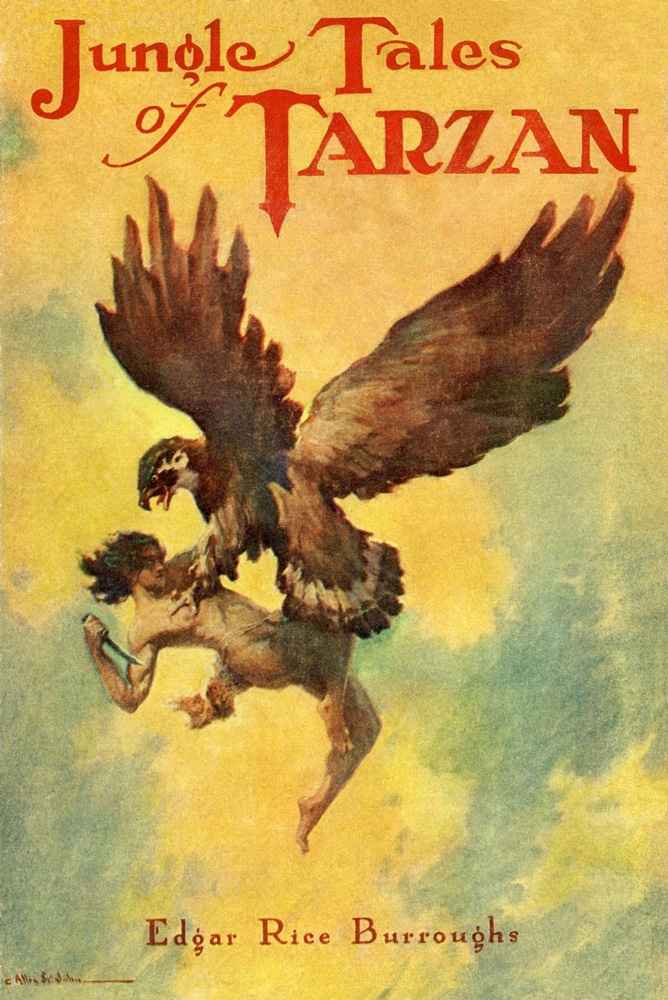


Tarzan of the Apes experiences the profound pangs of unrequited love and paternal instincts within the tribe of Kerchak. When Teeka chooses the powerful bull Toog over Tarzan, the ape-man's heart breaks, setting off a chain of emotional and physical turmoil. Meanwhile, a tragic loss strikes the tribe when Teeka's baby, Gazan, is seemingly killed, driving Taug into a frenzy of grief and rage that echoes through the canopy.
Amidst tribal rivalries and dangerous encounters with jungle predators like Sabor and Numa, Tarzan finds himself increasingly alienated from both the apes and the local black warriors led by Mbonga. His complex relationship with humanity deepens as he attempts to adopt a native boy, only to realize the fundamental chasm between human society and his wild existence.
Bukawai, the leper witch-doctor, adds a layer of dark intrigue and peril, plotting vengeance against Tarzan while terrorizing the local population with his hyenas. The narrative builds toward a fierce confrontation where tribal loyalties are tested and ancient hatreds flare up anew under the relentless equatorial sun.
Tarzan's journey becomes one of self-discovery, recognizing his unique place as neither entirely beast nor fully civilized man. The bond between Taug, Teeka, and the ape-man is severely tested and ultimately reforged through shared suffering and combat against common foes.
Descriptions of the deep forest reveal an indifferent, beautiful, and terrifying wilderness where every creature fights for its right to exist. The narrative captures the raw mechanics of jungle life without sentimental varnish, presenting nature in all its brutal splendor.
As the conflicts reach their climax, Tarzan must confront his own nature and the painful truth of his isolation. The resolution offers a poignant glimpse into the soul of a man caught eternally between two irreconcilable worlds.