

This collection of essays and ghost stories explores the evolution of the phantom in literature, tracing its roots from primitive folklore to modern psychological and scientific contexts. The opening essay by the compiler argues that humanity's fascination with the supernatural is eternal, shaped by our daydreams, nightmares, and the complex anxieties of modern life. Modern ghosts, unlike their solitary and simple ancestors, possess a renewed vitality, scientific efficiency, and a gregarious nature, often appearing in groups and using modern mechanisms to haunt the living.
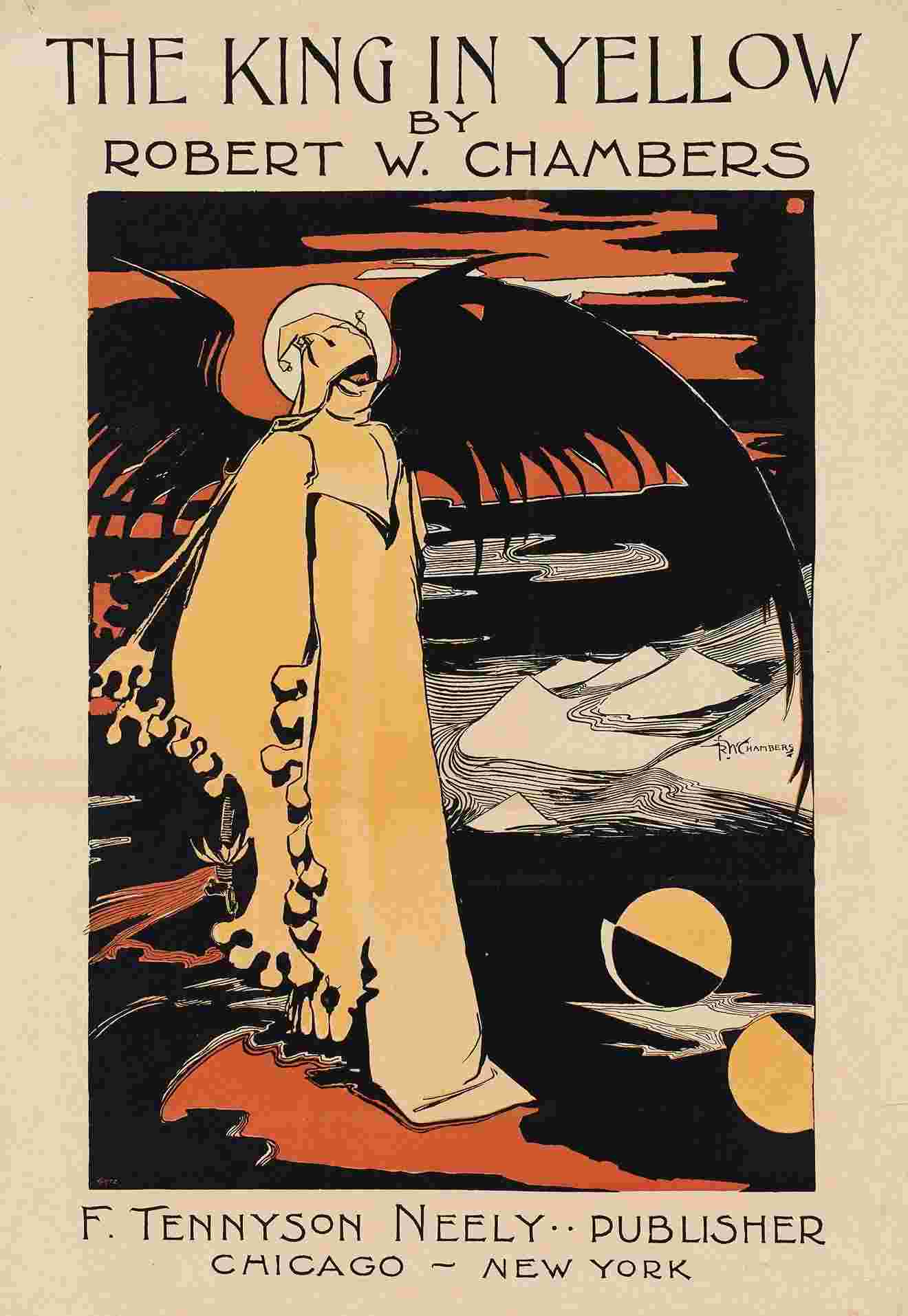
The volume gathers diverse masterpieces of the macabre, including works by Algernon Blackwood, Mary E. Wilkins Freeman, Robert W. Chambers, and Edgar Allan Poe. Each selected story demonstrates a unique method of eliciting dread, beauty, or pathos, whether through an unseen presence that is felt rather than seen, a shadow cast on a wall as mute evidence of revenge, or a hand moving with malicious intent. The stories illustrate how writers blend the supernatural with madness, jealousy, and guilt.
Several narratives examine the power of the dead to return through physical or psychological coercion, while others evoke a delicate poetic beauty rather than curdling horror. The collection also touches upon the strange intersection of fiction and belief, noting how powerful storytelling can create legends that outlive their authors' explanations. Ultimately, the volume offers a comprehensive look at the diverse artistry of ghost stories, reflecting the deep, unchanging fascination humans hold for the unseen world.