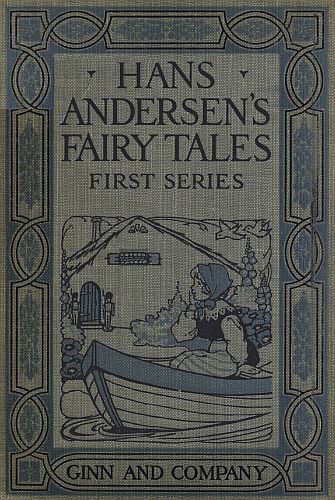


This collection of tales by Hans Christian Andersen explores the complexities of human nature, morality, and fate through the lens of fantasy and folklore. The stories frequently pit the humble and sincere against the proud and superficial, examining how innocence and quiet endurance triumph over worldly vanity. In tales like The Emperor's New Suit and The Fir Tree, the author exposes the dangers of arrogance, self-deception, and the relentless pursuit of hollow status, while stories such as The Little Match-Seller and The Angel find profound grace in suffering and sorrow. Andersen poses fundamental questions about suffering, justice, and the invisible threads that connect human lives to the divine order, often revealing that true worth lies hidden beneath despised exteriors.
The narrative argument develops through stark contrasts between the superficial grandeur of society and the genuine purity of the marginalized, showing how spiritual awakening often comes through deep trial rather than worldly success. Characters ranging from talking insects and humble flowers to tragic princes and humble children embody the eternal struggle between vanity and authenticity. The overarching movement of the text traces a path from illusion to hard-won truth, where the illusions of pride are stripped away by reality, leaving behind a quiet reconciliation with fate and a deeper understanding of human empathy. Without offering simplistic happy endings, the tales suggest that even in the darkest circumstances, a spark of enduring grace remains, offering spiritual redemption to those who learn to see beyond the material world.