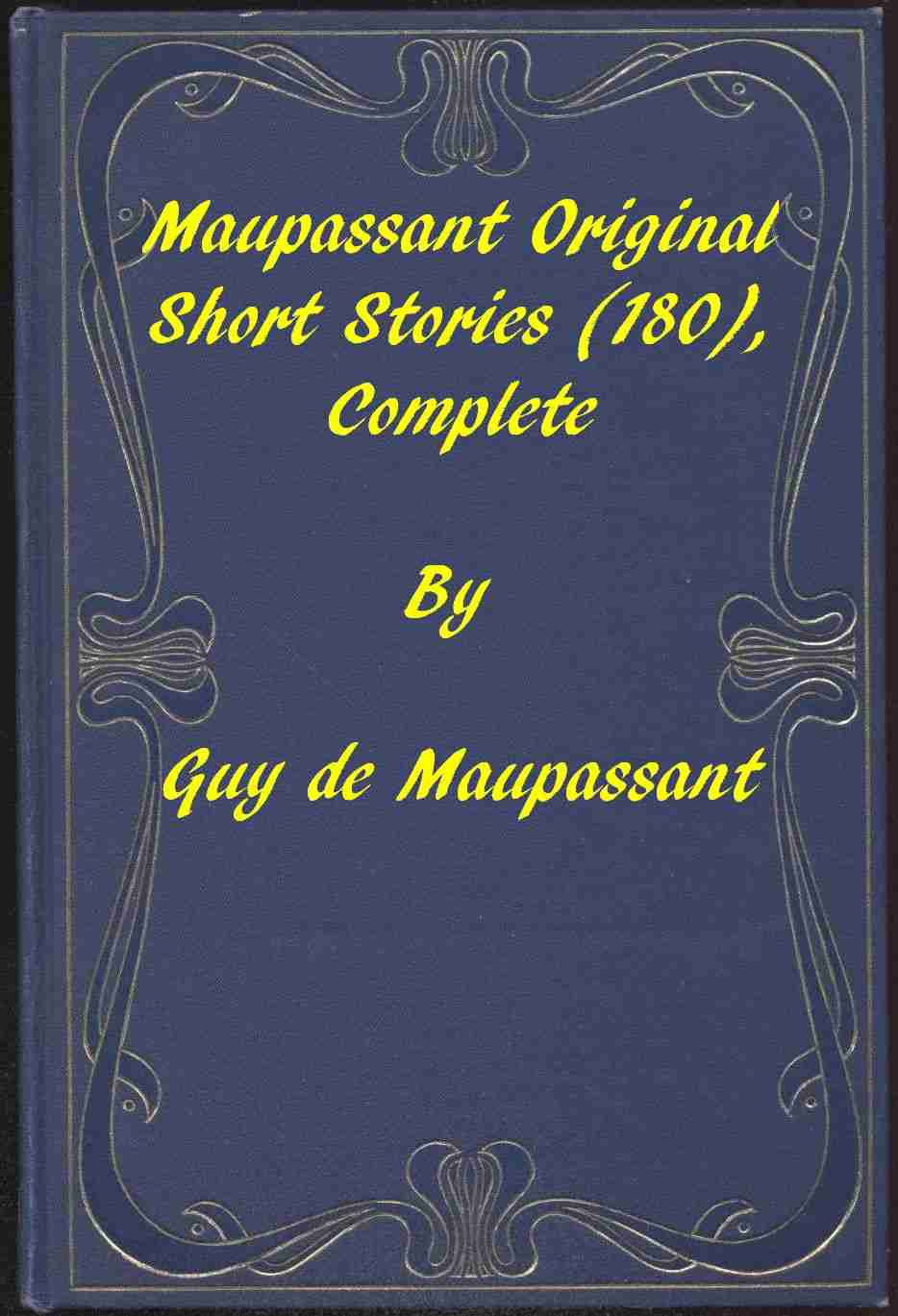





The collection opens with a critical study by Pol Neveux, tracing Maupassant's literary apprenticeship under Gustave Flaubert, his rapid rise to fame following the publication of Boule de Suif, and his tragic descent into madness. The stories themselves range widely across French society during the Franco-Prussian War and the tranquil yet brutal countryside of Normandy. In Boule de Suif, a group of respectable bourgeois travellers hypocritically shun and eventually coerce a patriotic courtesan into sacrificing her virtue for their safe passage, only to reject her afterward with absolute disdain. Other tales, such as Two Friends, depict the quiet tragedy of two innocent Parisian anglers executed by Prussian soldiers while trying to fish during the siege of Paris.
In The Lancer's Wife and Mother Sauvage, the brutal realities of war provoke fierce acts of personal vengeance, illustrating how ordinary people are transformed by conflict and cruelty. Throughout the collection, Maupassant examines greed, hypocrisy, patriotism, and the quiet despair of the human condition with cold lucidity and unmatched technical precision. The narratives move from ironic social satire to stark psychological terror, capturing the complex fabric of nineteenth century French life without moralizing. The volume stands as a monument of classic literature, presenting human nature stripped of its illusions and pretensions. The tragic trajectory of the author's own life echoes in the dark psychological depths found in many of these unforgettable masterpieces.