

This theatrical adaptation weaves together elements from both Alice's Adventures in Wonderland and Through the Looking Glass, staging a surreal journey that begins when young Alice falls asleep while playing chess with her uncle. Drawn into an alternate reality behind the mirror, she finds herself cast as a white pawn in a massive, living chess game spanning the entire landscape. As she attempts to navigate this bizarre realm to reach the eighth square and become a queen, she encounters a parade of eccentric inhabitants who subject her to riddles, shifting logic, and absurd philosophical debates.
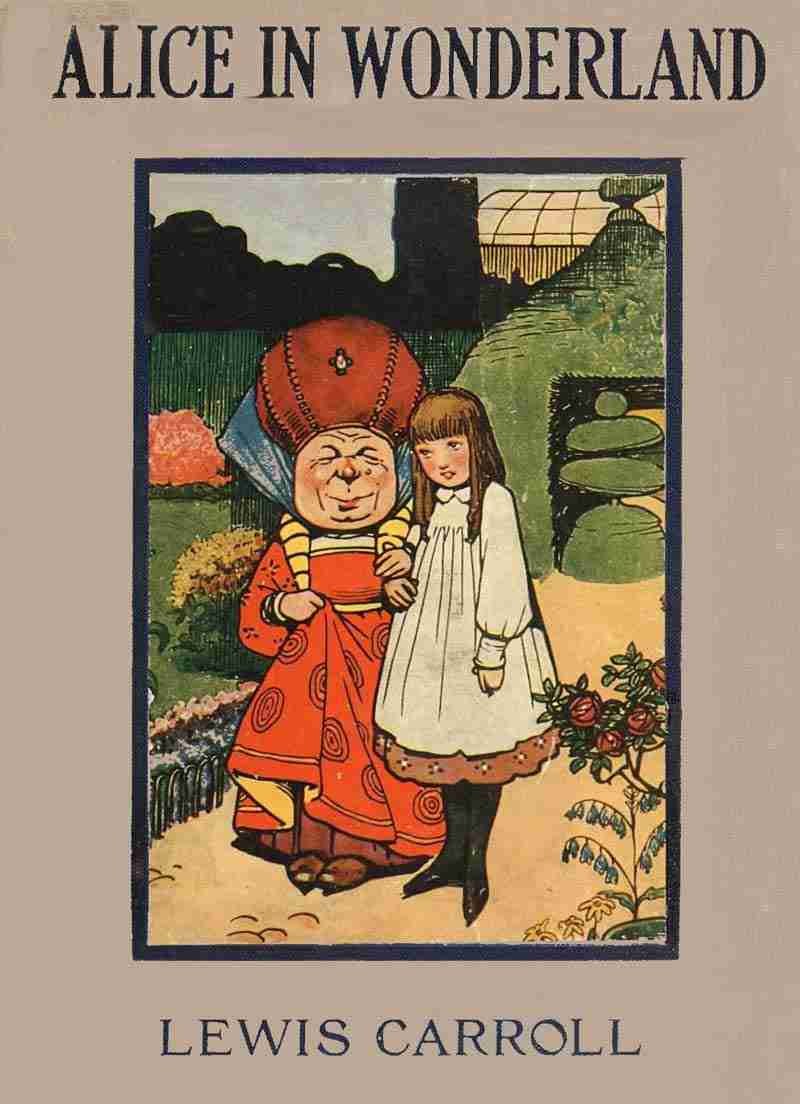
The narrative unfolds through a series of disconnected encounters with iconic figures, each challenging Alice's perception of reality, language, and time. She meets the Red and White Queens, whose backward living and peculiar rules leave her thoroughly disoriented, followed by the frantic White Rabbit, the boastful Humpty Dumpty, and the perpetually weeping Mock Turtle and Gryphon, who introduce her to the elaborate Lobster Quadrille. Later, she stumbles upon the Mad Hatter's endless tea party and the Duchess with her pepper-obsessed cook, before navigating the chaotic croquet grounds managed by the temperamental Queen of Hearts.
Throughout these episodes, the play explores themes of identity, authority, and the arbitrary nature of adult rules through nonsensical dialogue and dreamlike logic. Characters constantly question Alice's existence, suggesting she is merely a figment of the Sleeping Red King's imagination, which adds an underlying current of existential uncertainty to her adventures. The escalating absurdity reaches its peak during a chaotic courtroom trial over stolen tarts, where arbitrary sentencing and meaningless evidence push the proceedings into total anarchy.
As the tension and demands for executions mount, Alice finally rebels against the authority of the playing-card court, asserting her own agency and rejecting their rigid, nonsensical laws. The chaotic dreamscape abruptly dissolves as she awakens in her own armchair by the fireside, realizing her extraordinary trials were merely the product of an afternoon nap. The play concludes with a gentle return to reality, leaving Alice to ponder the blurred boundaries between the waking world and the looking-glass realm.