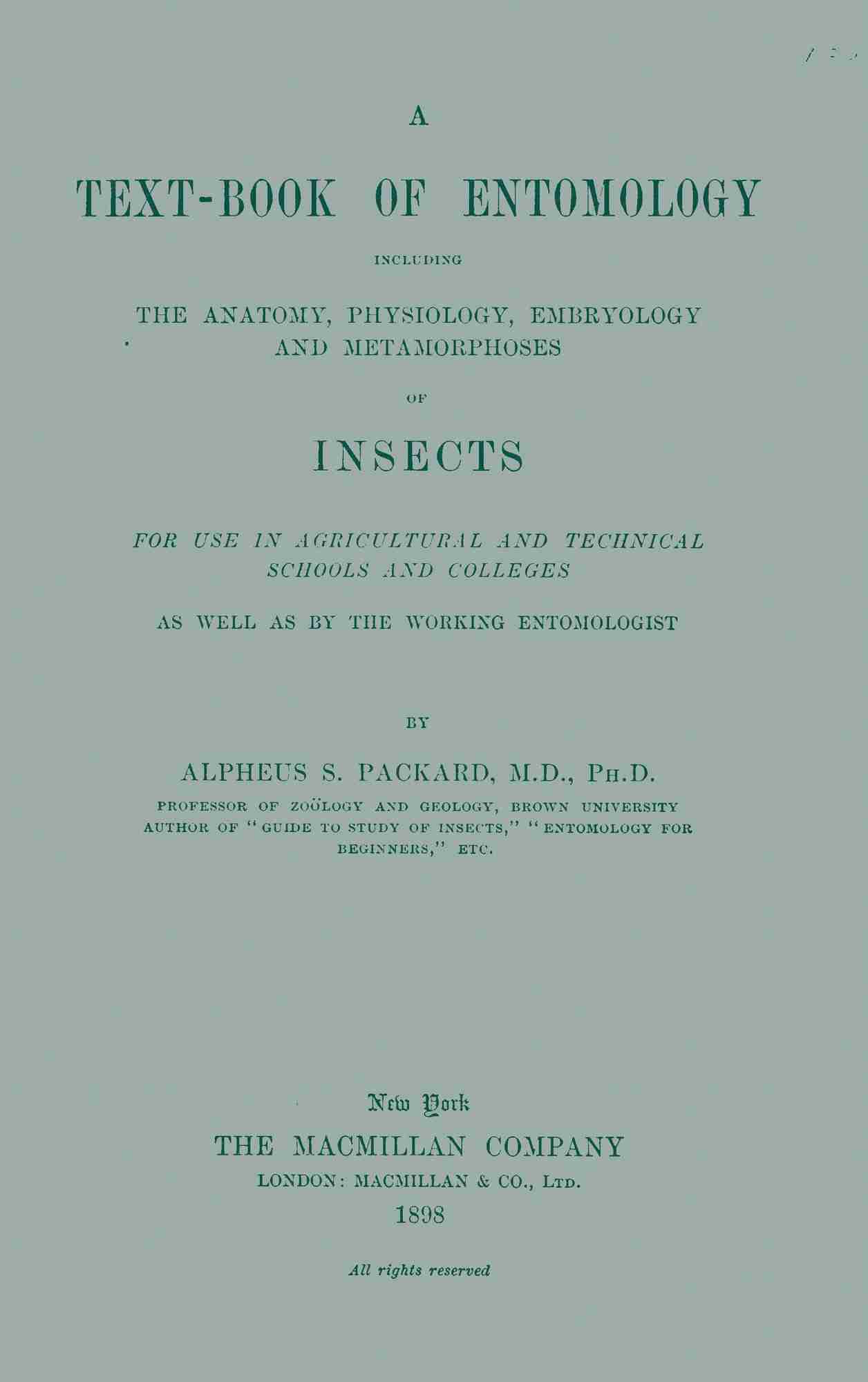






The work opens by establishing the taxonomic position of insects, examining their vast diversity, and comparing their anatomical complexity with other arthropod phroups like crustaceans, arachnids, and myriopods. The author traces the evolutionary lineage of hexapods through ancestral forms such as Peripatus and Scolopendrella, setting a solid phylogenetic foundation. The text then transitions into a granular investigation of external anatomy, exploring the mechanics of the integument, chitin chemistry, and the mechanical evolution of body segments and jointed limbs. Subsequent chapters dissect the head and its appendages, detailing the intricate structures of the mouthparts, antennal variations, and the specialized functions of the hypopharynx and epipharynx across various orders.
The thoracic region is analyzed with rigorous precision, covering sclerite arrangements, endoskeletal apodemes, and the mechanical physics of walking, climbing, and swimming. Finally, the text explores the structural evolution of wings, their venation patterns, and the complex embryonic processes of imaginal disc development and pupal transformation. Through detailed anatomical descriptions and empirical evidence, the volume provides an essential reference for understanding insect biology.