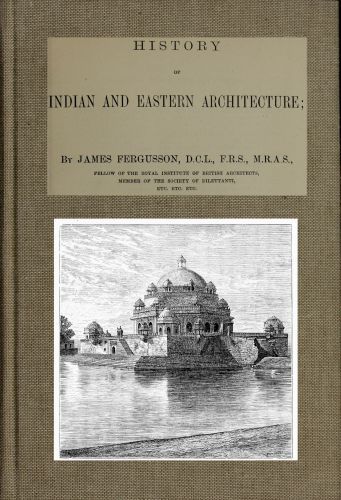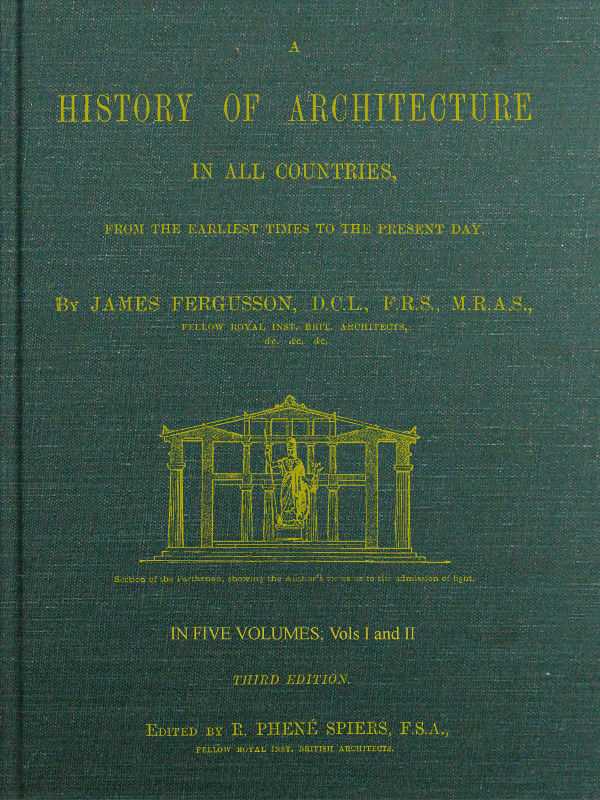




James Fergusson undertakes an exhaustive study of architectural history, organizing the subject chronologically and ethnographically rather than purely technically. The author establishes that architecture is not merely a utilitarian craft or a branch of phonetic arts like painting and sculpture, but an aesthetic and constructive discipline deeply rooted in the materials, climate, and spiritual aspirations of distinct human races. Through a detailed analysis of ancient structures, including the pyramids of Egypt, the palaces of Assyria, and the temples of Greece and Rome, the text explores the mechanical principles of mass, stability, durability, and proportion. The argument develops from the earliest monolithic and trabeated structures to the complex vaulted systems of the Middle Ages, demonstrating how structural expression and ornament evolved together.
The author examines the ethnic divisions of mankind, categorizing building races into Turanian, Semitic, Celtic, and Aryan groups, and argues that each group imprinted its unique worldview upon its architectural monuments. Special attention is given to the contrast between the constructive integrity of ancient and medieval styles and the derivative copying systems of the post-Reformation era. The narrative suggests that a true style of architecture can only emerge when a society unites to pursue functional and appropriate building methods rather than superficial mimicry.