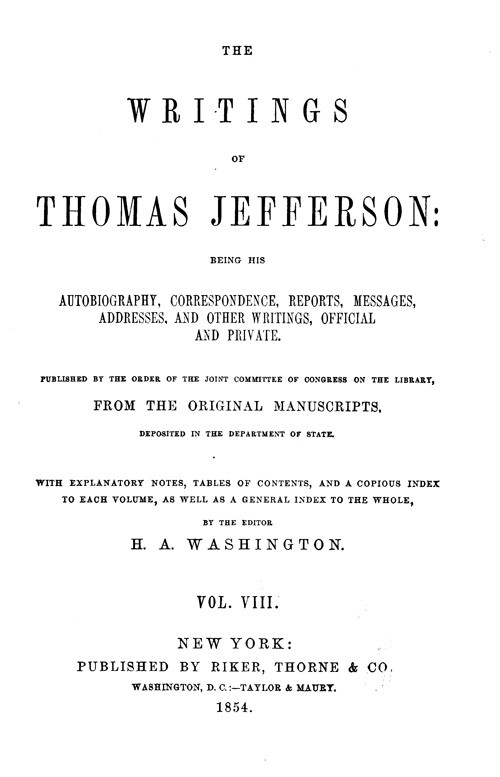






The text opens with Jefferson taking the presidential oath in March eighteen hundred and one, establishing the foundational tenets of his administration. He emphasizes equal justice, peace with all nations, the support of state governments, and strict economy in public expenditure to relieve the burdens of labor. These principles guide his governance through a turbulent era of European conflict that constantly threatens American neutrality. Throughout his successive annual messages, Jefferson details the pressing challenges of the young republic, including financial management, the systematic reduction of the national debt, and the peaceful cultivation of the American landscape.
A central focus of the writings is the acquisition of Louisiana from France, a monumental event that secured the navigation of the Mississippi River and expanded the borders of the nation. Jefferson defends this expansion against critics who feared it would strain the union, arguing that it ensures a peaceful future for the growing population. The volume also documents the persistent conflicts with the Barbary States, leading to naval engagements in the Mediterranean to protect American commerce from piracy.
Furthermore, Jefferson addresses relations with Native American tribes, detailing efforts to introduce agriculture and household arts while settling boundaries through fair purchase. The documents reflect his consistent desire to transition Native populations from the hunter's life to self-sustaining farming. The later messages address growing tensions with European powers due to blockades and impressment of American seamen. Jefferson explains the rationale behind the embargo acts and non-intercourse policies, presenting them as necessary measures to avoid unnecessary war while preserving the nation's merchant property and mariners.
He details the suppression of domestic conspiracies, notably the Aaron Burr affair, highlighting the prompt response of the militia and the fidelity of the citizenry. The volume concludes with extensive replies to public addresses from various state legislatures, religious associations, and citizens' groups, wherein Jefferson elaborates on his political philosophy, the necessity of religious freedom, and his reasons for declining a third term. These responses reinforce his commitment to a representative government responsible at short periods of election, marking the end of his active public service.