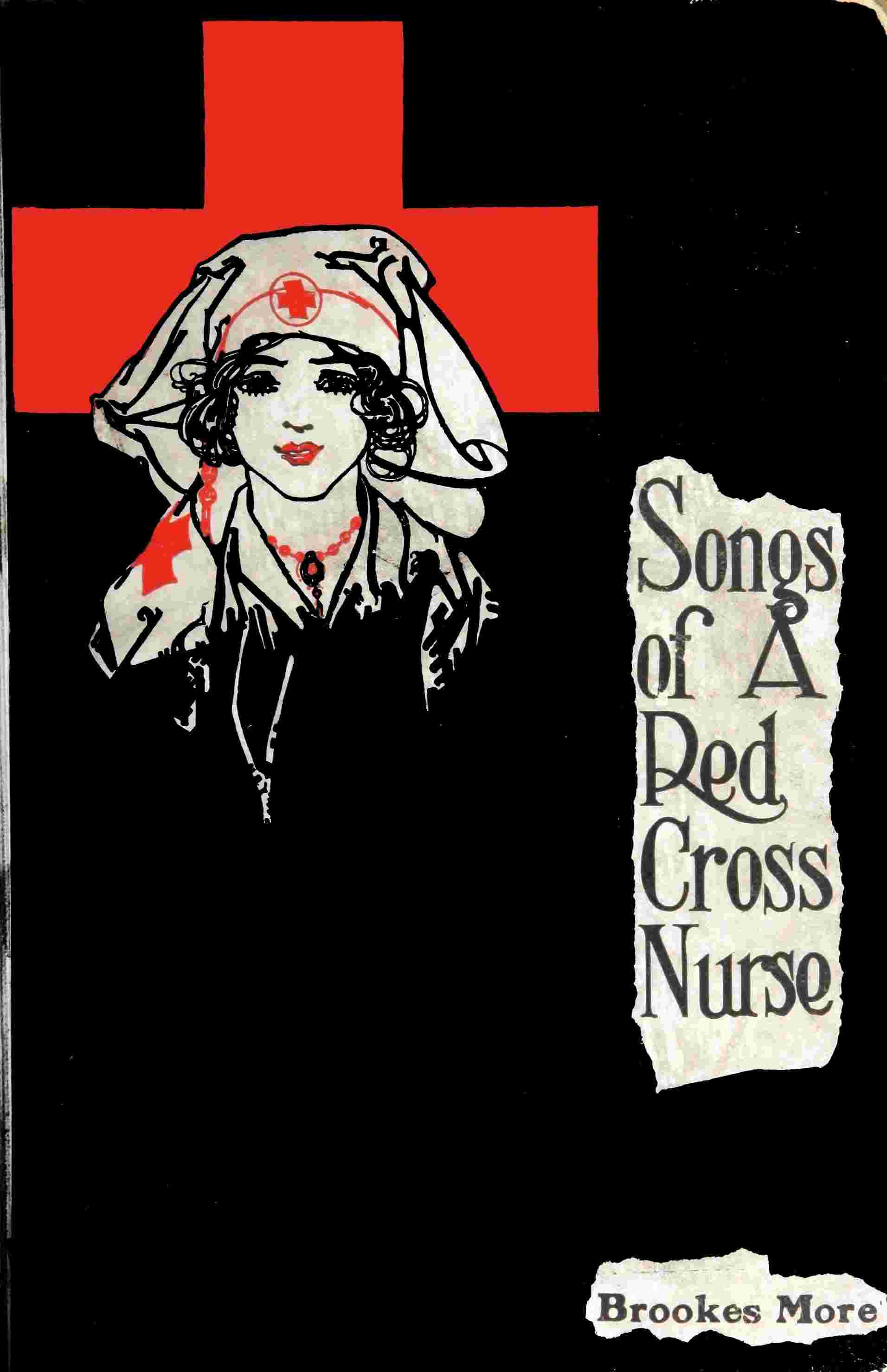




Brookes More presents a harrowing poetic panorama of the First World War, focusing on the frontline experiences of soldiers, volunteers, and nurses. The collection opens with dramatic accounts of espionage, narrow escapes, and the chaotic momentum of trench warfare, where ordinary men are thrust into mechanized slaughter. The narrative contrasts calculated military strategy with the raw, instinctual fury of soldiers pushed to their absolute limits.
Central storylines follow memorable figures like Phelim O’Toole, whose humorous recounting of survival masks deep trauma, and John Brown, an American volunteer whose faith in a protective talisman guides him through relentless artillery fire. These accounts illustrate how individuals cope with terror, using humor, superstition, and camaraderie to endure the unimaginable.
A significant portion of the work is dedicated to the nurses, particularly Maggie McGee, whose fierce loyalty and fearless defiance challenge the rigid brutality of military authorities like Baron Von Bissing. Her confrontation with tyranny highlights the courage required to maintain humanity in an environment defined by cruelty and systematic destruction.
The poetry also delves into the psychological toll of combat through surreal nightmares and the haunting presence of the dead. Soldiers grapple with freezing cold, insurmountable grief, and the agonizing loss of comrades, questioning the political ambitions that drive nations to sacrifice their youth.
Ultimately, the collection shifts toward the aftermath of battle, where crows gather over scarred landscapes and survivors reckon with physical and emotional ruin. The concluding sections emphasize the enduring power of love, memory, and the quiet devotion of those who tend to the wounded, offering a somber reflection on the true cost of war.