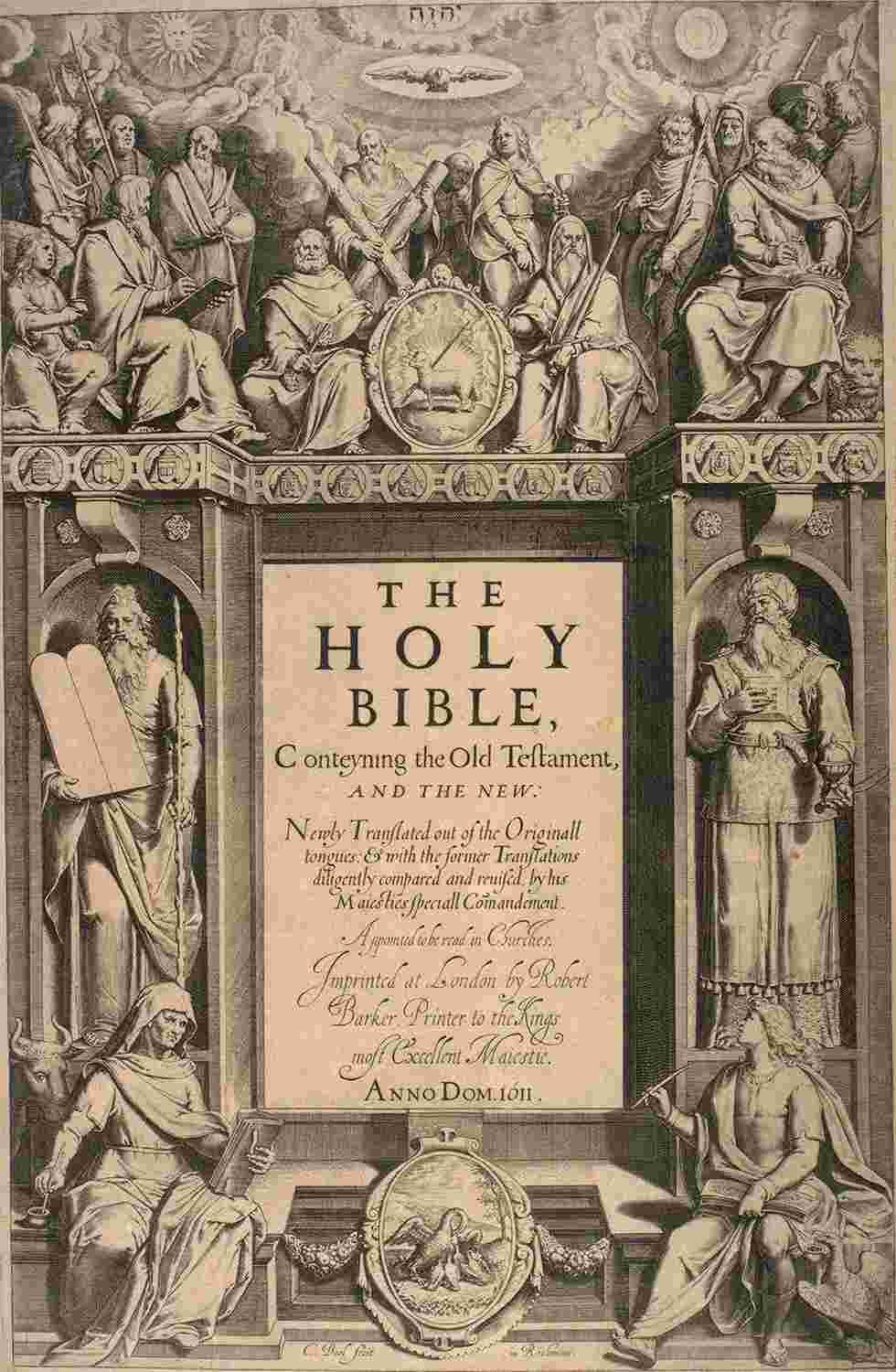


The text opens with the creation of the heavens, the earth, and all living creatures by divine command, culminating in the formation of man in the divine image. Soon after, the narrative addresses the introduction of human transgression, beginning with the disobedience in Eden and the subsequent spread of discord, symbolized by the account of Cain and Abel. As the population of the earth multiplies and grows corrupt, the narrative details the cataclysmic flood and the preservation of Noah and his household, establishing a new covenant marked by the rainbow. From these origins, the focus narrows to the patriarchal lineages, tracing the journeys and trials of Abraham, Isaac, and Jacob.
Abraham answers a divine call to leave his homeland, receiving promises of land and posterity, while wrestling with profound tests of faith. His descendants face recurring trials of famine, sibling rivalry, and deception, vividly illustrated through the sale of Joseph into slavery. The narrative follows Joseph's rise to power in Egypt, where his administrative foresight eventually brings his estranged family to safety during a severe regional famine.
Following the passage of generations, the scene shifts to the book of Exodus, where the descendants of Israel have multiplied into a vast population now subjected to ruthless bondage under a new pharaoh. Amidst this systemic oppression, Moses is chosen to confront the Egyptian rulers and demand the liberation of the Hebrew people. Through a series of powerful plagues and the dramatic parting of the red sea, the community escapes the house of bondage and journeys into the wilderness toward Mount Sinai. The text concludes with the establishment of a formal covenant, wherein the community receives moral and civil legislation, including the ten commandments, and instructions for constructing the sacred tabernacle, binding the people to their deity through enduring statutes.