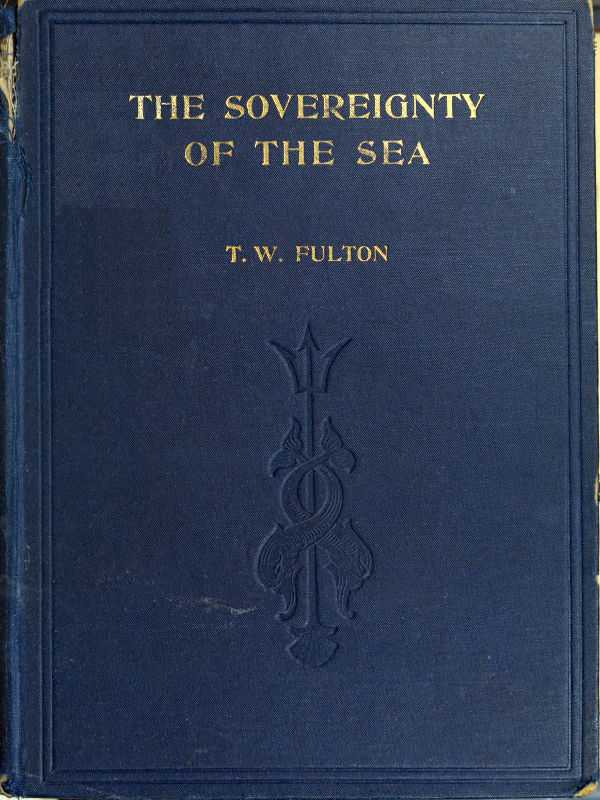


This volume explores the centuries-long assertion of English dominion over the seas surrounding the British Isles, detailing how successive monarchs attempted to enforce authority over maritime trade, navigation, and fishing rights. The narrative traces the evolution of these pretensions from early Anglo-Saxon precedents and Norman rule through the Tudor era, highlighting the transition from open maritime access to strict national regulation. A central theme is the economic and political rivalry with the Dutch Republic, whose dominance in the North Sea herring fisheries provoked deep jealousy and ultimately led to diplomatic conflict and naval warfare. The author examines the competing doctrines of mare liberum and mare clausum, analyzing the legal arguments put forth by publicists like Grotius and Selden to justify either the freedom of the oceans or the exclusive property of a state in adjacent waters.
The work details the practical measures attempted by James the First and Charles the First, including the establishment of royal fisheries, the levying of tribute on foreign fishermen, and the rigorous enforcement of the naval salute. Furthermore, it traces the historical development of territorial waters, showing how the older claims of vast maritime sovereignty gradually receded before the modern principle of cannon-range and the eventual adoption of the three-mile limit. The account concludes with the decline of these sweeping pretensions as international commerce and treaties established more defined boundaries for fisheries and neutrality.