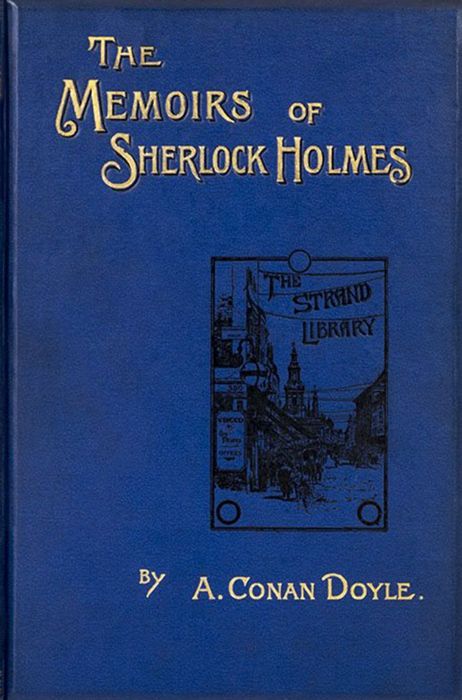


The Return of Sherlock Holmes marks the triumphant resurrection of the world's most famous consulting detective after his supposed death at the Reichenbach Fall. Author Arthur Conan Doyle sets up intricate puzzles of Victorian crime, opening with the baffling murder of the young aristocrat Ronald Adair in a locked room. Holmes reveals that he faked his demise to outwit the remaining members of Professor Moriarty's criminal syndicate, remaining hidden for three years while travelling through Tibet, Persia, and France before returning to Baker Street in disguise. Throughout the subsequent investigations, Dr.
John Watson accompanies his reinstated friend into the dark, foggy underworld of London and the quiet rural countrysides of England to confront dangerous adversaries. The narrative develops through a series of ingenious cases, including the mysterious disappearance of the builder Jonas Oldacre, the cryptic ciphers of the dancing men that conceal an American vendetta, the shadowed peril of the solitary cyclist near Farnham, the abduction of the young Lord Saltire from the Priory School, the bloody retribution behind the murder of Captain Peter Carey, and the daring burglary of the blackmailer Charles Augustus Milverton. Doyle contrasts the cold, razor-sharp logic of the detective with the emotional turbulence of ordinary human lives caught in criminal webs.
The argument driving these stories is that observation, inference, and relentless attention to physical detail can decode the most chaotic human malice. Each case demonstrates a rigorous mechanism of proof, where minute traces like dust, tyre marks, and bloodstains lead inexorably to the truth. The collection concludes by reaffirming the partnership between Holmes and Watson, leaving the detective once more free to dissect the complex problems of metropolitan life.