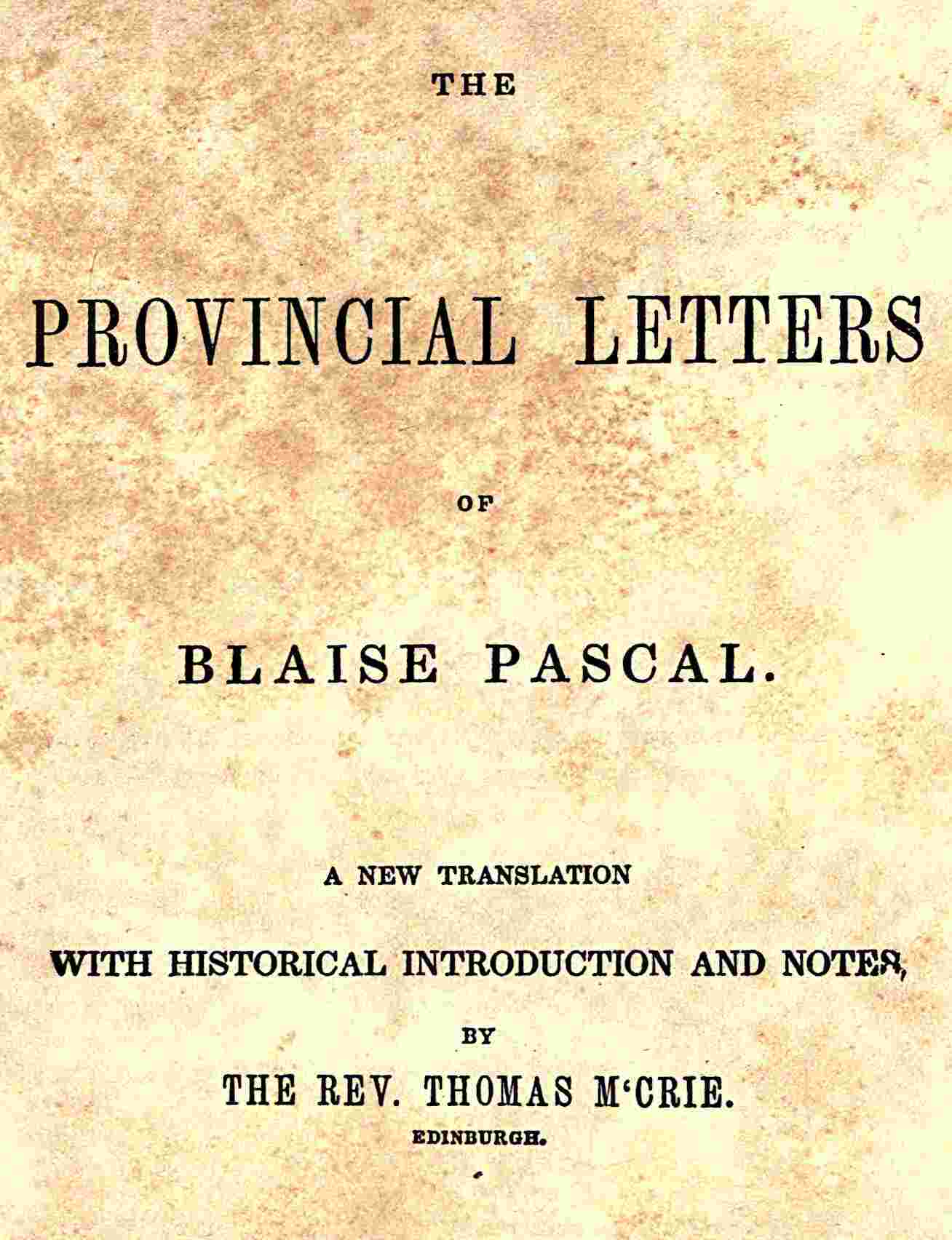




The Provincial Letters stand as a monumental work of seventeenth-century French literature, born out of intense theological strife between the Jansenists and the Jesuits. Blaise Pascal takes up the pen to defend Antoine Arnauld before the Sorbonne, shifting the battle from obscure scholastic disputes to a brilliant public exposure of moral corruption. At the heart of the text lies a devastating critique of the Jesuit casuists, who constructed an elaborate system of probabilistic ethics. Pascal demonstrates how these theologians manipulated definitions, excused murder, justified bribery, and diluted divine commandments to accommodate the wealthy and powerful.
Rather than dry theological treatises, the letters employ sparkling dialogue, irony, and devastating wit to bring complex moral questions into the public square. The author poses a fundamental problem: how an institution claiming absolute spiritual authority could simultaneously sanction moral laxity through ingenious rationalizations. He argues that this systematic evasion of truth destroys the very foundation of Christian morality.
Throughout the letters, Pascal contrasts the worldly accommodation of the Jesuits with the rigorous, grace-centered theology of Port-Royal, emphasizing the absolute necessity of sincerity and spiritual integrity. The work caused an immediate sensation, shifting public opinion and forever altering the landscape of French prose. Though ultimately condemned by papal authority, the letters remain a timeless testament to the power of truth and ridicule when deployed against hypocrisy, leaving an enduring mark on moral philosophy and religious history.