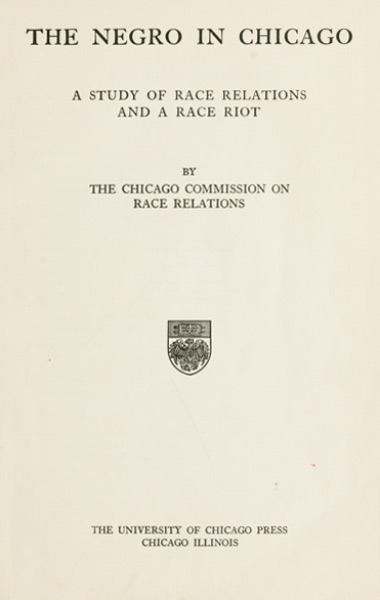




The book presents the exhaustive findings of the Chicago Commission on Race Relations, appointed following the devastating race riot of nineteen nineteen. The text begins with a chronological account of the outbreak, triggered by a tragic drowning at a segregated bathing beach, which escalated into days of mob violence, arson, and bloodshed across the city. The authors meticulously detail the multifaceted background of these disturbances, highlighting the massive migration of southern Negroes seeking economic opportunity and relief from systemic oppression.
A central focus of the study is the severe housing shortage that plagued Chicago during the war and postwar years. As the Negro population more than doubled, families expanded beyond the traditional Black Belt into adjacent white neighborhoods, frequently meeting violent resistance, property destruction, and systematic bombings. The report analyzes the economic and social factors driving this migration, contrasting the harsh realities of southern rural life, disenfranchisement, and inferior educational facilities with the industrial demands and relative freedom of the northern metropolis.
The volume further investigates racial contacts in public schools, recreational spaces, and transportation lines, alongside a thorough examination of crime and vicious environments. It addresses the role of the press and the pervasive influence of rumors in inflaming public passions and molding racial attitudes. The police department's response, often marred by insufficient forces and an inability to maintain strict impartiality, is critically evaluated, as is the eventual restoration of order through the deployment of the state militia.
Beyond Chicago, the commission reviews other racial outbreaks in Illinois, including incidents in Waukegan, Springfield, and East St. Louis, establishing patterns of urban racial friction. The study concludes with extensive recommendations formulated by the commission and the grand jury, urging sweeping improvements in housing, equitable law enforcement, fair labor opportunities, and the creation of permanent local bodies dedicated to fostering mutual understanding and preventing future tragedies.