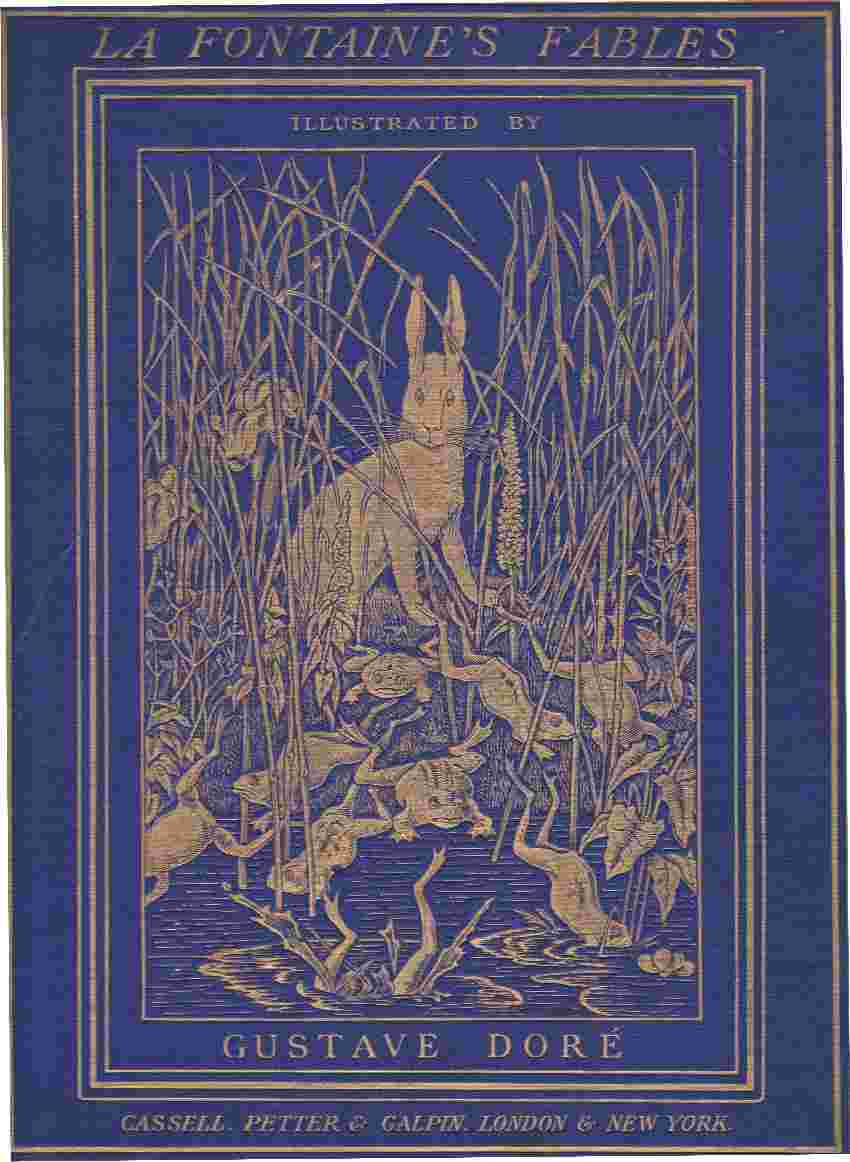





This collection brings together the celebrated fables of Jean de la Fontaine, drawing upon the traditions of Aesop, Phaedrus, and ancient wisdom to examine the complexities of human behaviour through the actions of animals. The author explores themes of pride, vanity, greed, and wisdom, contrasting the innocent with the cunning, and the powerful with the vulnerable.
Throughout the fables, various animals act as stand-ins for human archetypes, revealing the mechanics of flattery, the perils of false friendship, and the consequences of improvidence. From the grasshopper who sings away the summer to the prudent ant, and from the proud oak that breaks to the flexible reed, each story offers a concrete illustration of a moral truth.
The narrative develops through a series of vivid vignettes, dialogues, and dramatic encounters that expose social hierarchies, courtly corruption, and the hypocrisies of everyday life. The text balances sharp satire with a deep appreciation for the natural world and human frailty, showing how reason and caution often prevail over blind strength and arrogance.
La Fontaine's poetic artistry transforms simple moral lessons into rich literature that resonates across centuries. The work reflects a lifetime of observation, capturing the permanent truths of human interaction without relying on empty moralizing or direct didacticism.
As the collection progresses, the fables grow in philosophical depth, touching upon the inevitability of fate, the value of true friendship, and the vanity of human ambition. The journey through these animal kingdoms ultimately serves as a mirror for human society, offering both gentle amusement and sobering reflections on life.