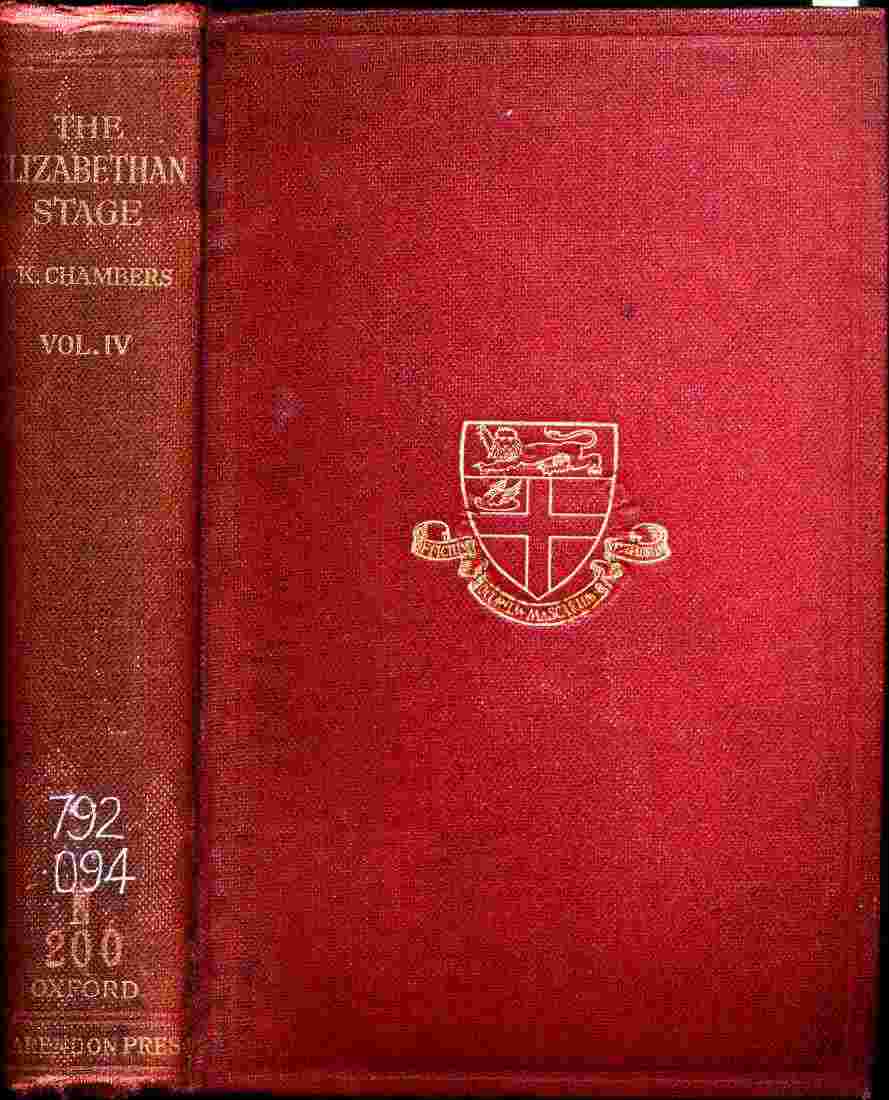


The fourth volume of E. K. Chambers's monumental history of the Elizabethan and Jacobean stage focuses on anonymous plays, masks, receptions, and an extensive collection of primary historical documents. The first section gathers anonymous dramatic works, tragedies, comedies, and academic plays, analyzing their authorship debates, texts, and stage history from the mid-sixteenth century to the closing of the theaters. Chambers examines texts ranging from early interludes to sophisticated plays associated with various acting companies, carefully weighing attribution claims involving major dramatists of the period without forcing definitive conclusions where evidence remains ambiguous.
The second section explores masks and court entertainments, detailing the elaborate pageantry presented before the sovereign by the Inns of Court, university students, and noble households. These accounts preserve the specific inventions, speeches, and songs that accompanied royal visits, festive seasons, and diplomatic receptions. The text records the practical logistics of stagecraft, the collaboration between poets and architects, and the evolving role of spectacular performance in court politics during the reigns of Elizabeth and James.
The core of the volume consists of extensive appendices that reprint historical documents of vital importance to theatrical research. These include court calendars, financial payments to acting companies from the treasurer of the chamber, documents of criticism, and official papers relating to the control and censorship of the stage by civil and ecclesiastical authorities. Records of plague closures, architectural designs for theaters by Inigo Jones, and contemporary descriptions of stage arrangements provide concrete evidence of how theaters operated in London and the provinces.
Further appendices catalogue academic, printed, lost, and manuscript plays, offering bibliographical details for works that shaped the early modern theatrical landscape. Comprehensive indexes of plays, persons, places, and subjects complete the volume, serving as an exhaustive cross-reference tool for scholars. Chambers maintains a strictly empirical approach throughout, refusing to invent facts or force interpretations beyond what the surviving historical record strictly warrants.
The work offers an indispensable foundation for understanding the institutional, financial, and textual realities of early English drama. By organizing raw historical documentation alongside rigorous critical commentary, Chambers establishes the documentary framework upon which modern theater history rests. The volume concludes by cementing the transition from the Tudor era into the rich dramatic culture of the early seventeenth century.