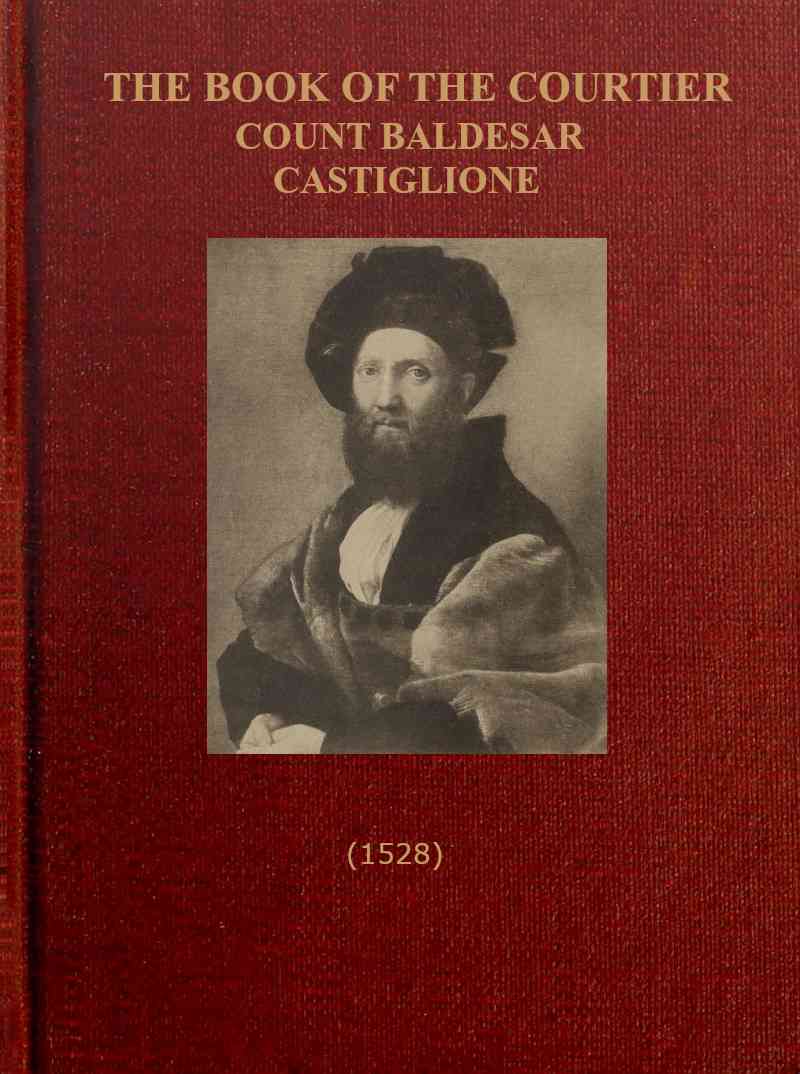




Set over four successive evenings in the Palace of Urbino in fifteen hundred and seven, the dialogues record the conversations of noble cavaliers and ladies gathered around Duchess Elisabetta Gonzaga and Emilia Pia. The first book explores the essential conditions of the courtier, beginning with gentle birth, martial prowess, and the vital principle of grace. The speakers emphasize that true art must conceal art, warning against the pitfalls of affectation in speech, dress, and physical exercises. The discussion then turns to the cultivation of the mind through letters, philosophy, and music, establishing that the warrior must also be a scholar and an artist.
The second book, continuing the debate on the courtier's daily life, addresses the proper time and manner for employing these accomplishments. It provides practical rules for conversation with equals and superiors, the choice of friends, the avoidance of presumption, and the subtle art of winning royal favour without flattery. The third book shifts focus to the perfection of the court lady, detailing her modesty, decorum, mental and physical exercises, and her conduct in matters of love, while defending women against ancient and contemporary aspersions.
The fourth and final book rises to graver matters of statecraft and philosophy. Ottaviano Fregoso considers the courtier's highest aim: guiding his prince toward justice and virtue, steering him away from ignorance and tyranny. Finally, Pietro Bembo delivers a discourse on love and beauty, distinguishing between sensual passion and the rational contemplation of abstract and divine beauty, concluding at dawn as the company reflects on the highest aspirations of the soul.