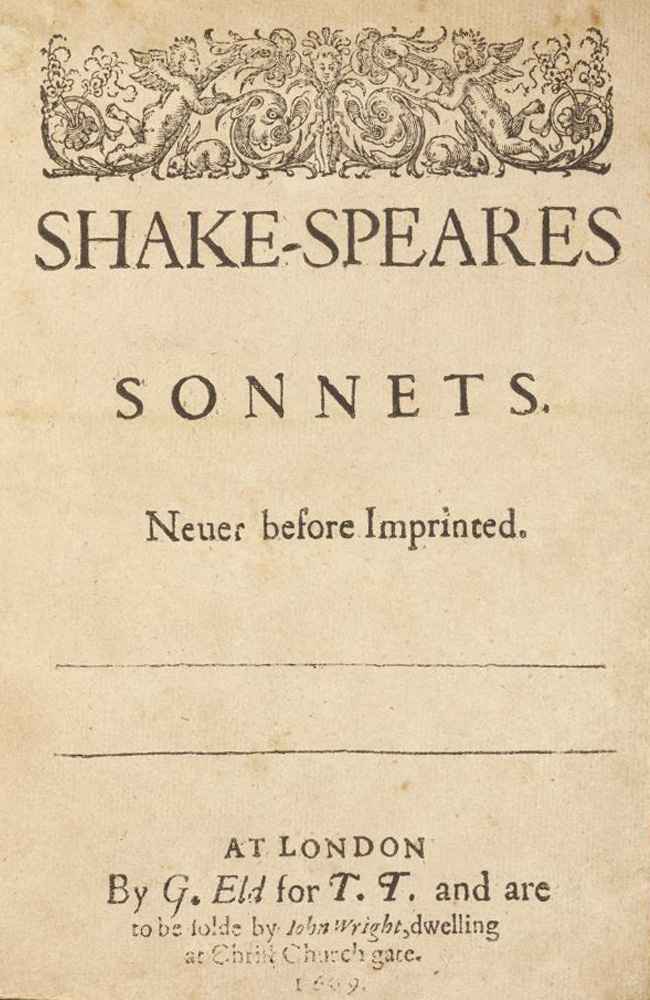




William Shakespeare’s sonnets constitute one of the most celebrated collections of lyric poetry in the English language, delving deeply into the psychological and emotional landscapes of human relationships. The poems are traditionally divided into two main sequences, each addressing distinct obsessions with love, beauty, morality, and mortality.
The first major sequence is addressed to a young man of remarkable beauty, wealth, and aristocratic standing. The speaker in these poems repeatedly urges the youth to marry and produce children so that his physical perfection may be preserved through offspring rather than succumb entirely to time and decay. As this sequence progresses, the tone shifts from friendly persuasion to a complex exploration of intense homoerotic devotion, jealousy, betrayal, and the agonizing separation between friends. The poet wrestles with the painful realization that even the most favored youth is susceptible to corruption, temptation, and the relentless march of time.
In the second sequence, the focus shifts dramatically to the enigmatic figure known as the dark lady. Unlike the idealized conventional beauties of contemporary Elizabethan verse, this mistress is portrayed with stark realism—possessing raven hair, dun breasts, and questionable morals. The speaker acknowledges her flaws, yet remains hopelessly captivated by an obsessive, destructive passion that defies reason and moral judgment. This section explores the darker, more agonizing side of desire, where lust wars against conscience and the lover recognizes that he is nursing a feverish illness rather than a healthy affection.
A central thematic spine running through the entire collection is the destructive power of time and the countervailing force of art. Time is depicted as a ruthless adversary that steals youth, carves wrinkles into beauty’s field, and ultimately reduces all living things to dust. Against this inevitable devastation, Shakespeare poses two potential defenses: procreation, which creates a living copy of the beloved, and poetry, which possesses the miraculous power to confer eternal life.
The collection also engages in a subtle meta-poetic dialogue, questioning the role of the poet, the value of conventional flattery, and the rivalry with other contemporary writers. The speaker often contrasts his own plain, honest verse with the elaborate, painted rhetoric of competing poets, arguing that authentic love requires no artificial embellishment. Through stark imagery drawn from nature, law, and daily life, the sonnets anatomize the paradoxical nature of human attachment—how sweetness turns to sourness, how devotion breeds jealousy, and how truth can be maintained even amidst profound deception.
Ultimately, the sonnets do not offer easy resolutions or comforting moral conclusions. Instead, they leave the speaker suspended between the torment of unrequited or betrayed love and the consoling permanence of verse. The collection closes on a slightly ambiguous, meditative note, reflecting on the eternal warmth of love that defies even the cooling waters of mythological cures.