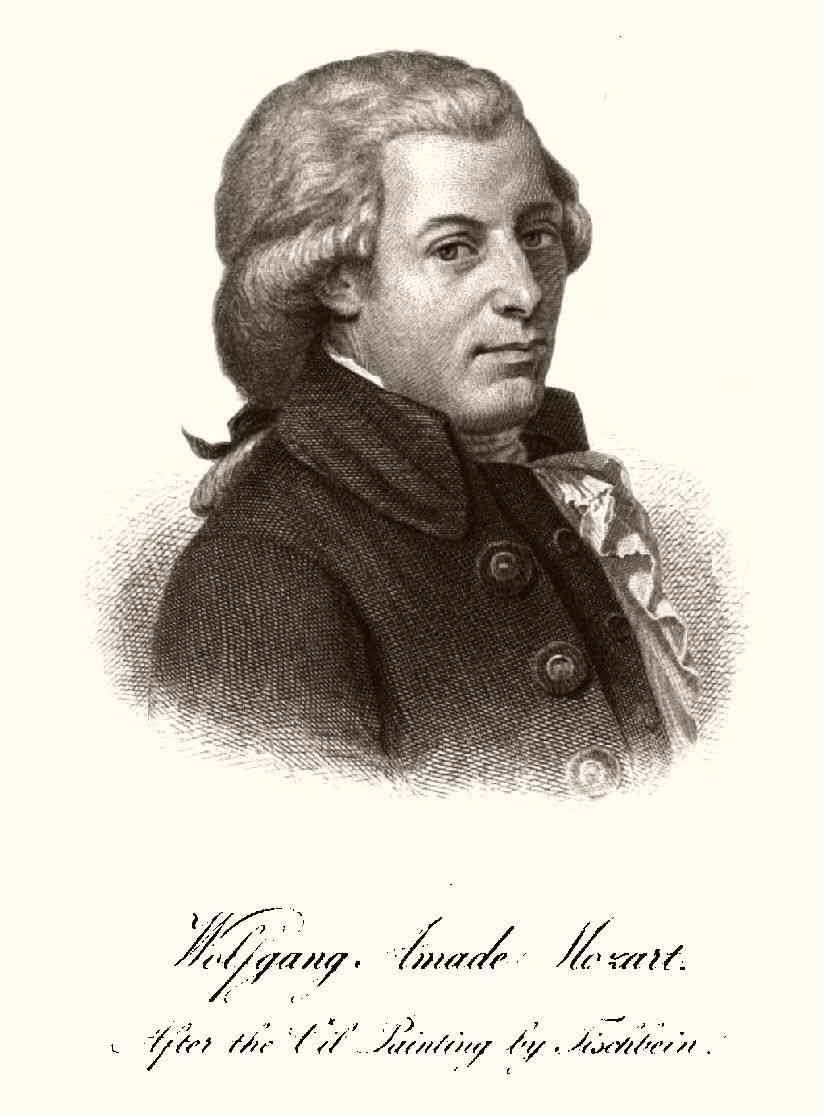






This volume explores the decisive period of Mozart's creative maturity in Vienna and Prague, focusing on his instrumental masterworks, symphonies, and revolutionary operas. The author examines the string quartets dedicated to Haydn, tracing their bold harmonic transitions and the intense intellectual debate they sparked among contemporary critics and connoisseurs. The narrative then shifts to the grand symphonies of eighteen eighty-eight, analyzing the structural mastery, euphony, and emotional range of the works in E flat major, G minor, and C major. A central focus is placed on the creation and reception of Le Nozze di Figaro and Don Giovanni, detailing the collaboration with Lorenzo da Ponte and the radical transformation of the operatic medium.
The book details how Mozart broke away from conventional caricature by introducing genuine human emotion, individualized vocal characterization, and an independent, co-operating orchestra. The narrative covers the background of the theatrical intrigues in Vienna, the enthusiastic triumphs in Prague, and the varying critical reactions across Europe. Throughout these analyses, the text demonstrates how Mozart synthesized French dramatic reality with Italian melodic grace, creating works that continue to define the pinnacle of classical music history.