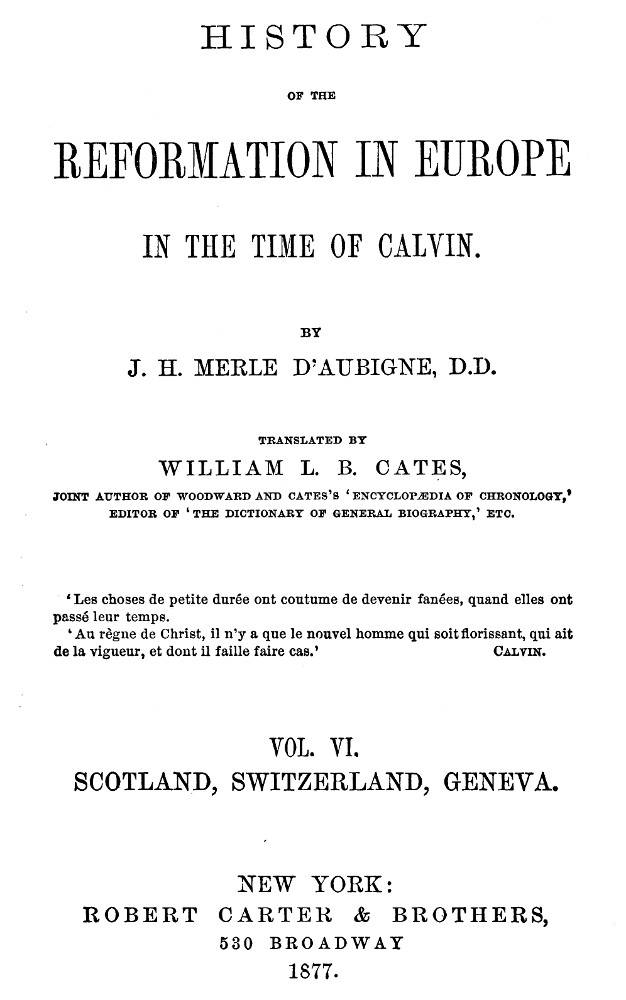




The text begins by setting the stage in sixteenth-century Scotland, contrasting the political ambitions of European monarchs with the deeper spiritual movements driven by conscience and the Gospel. It introduces the reader to the early reformers, most notably Patrick Hamilton, whose noble birth and theological studies in Marburg under Francis Lambert prepared him to bring the evangelical message back to his homeland. Upon returning to Scotland, Hamilton preached the doctrines of grace and justification by faith, directly challenging the corruption and supremacy of the Roman Catholic clergy led by Archbishop David Beatoun.
Despite the constant danger and the opposition of the religious authorities, Hamilton continued his ministry with unwavering zeal, ultimately leading to his arrest and trial for heresy. His steadfast courage during his trial and his cruel martyrdom at St. Andrews became a powerful catalyst for the Reformation, inspiring others to embrace the evangelical faith. Among those profoundly affected was Alexander Alesius, a canon who witnessed Hamilton's martyrdom and subsequently converted to the Protestant cause, enduring imprisonment and exile for his beliefs.
The narrative then shifts to the political turmoil surrounding the young king, James V., who leaned heavily on the clergy to suppress the nobility and the growing Protestant movement. The text details the martyrdoms of subsequent confessors, such as Henry Forrest and David Straiton, who also sealed their testimony with their blood. Despite severe persecutions, the desire for the Word of God continued to spread among the Scottish people and certain members of the aristocracy.
As the political landscape shifted with the death of James V. and the regency of the Earl of Arran, a brief period of religious freedom allowed the Bible to be read in the vernacular. However, the reactionary forces led by Cardinal Beatoun soon regained influence, plunging the nation into further conflict. The book concludes by laying the groundwork for the broader continental Reformation, detailing Calvin's early ministry in Geneva and the Pays de Vaud, his steadfast defense of church discipline, and the enduring struggle to establish a church governed by the Word of God rather than human traditions.