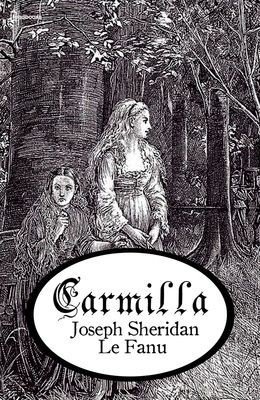



The narrator lives a quiet life with her father in a secluded castle in Styria until a carriage accident brings a young woman named Carmilla into their home. Carmilla is beautiful, languid, and aristocratic, yet her presence immediately stirs complex feelings of attraction and repulsion in her host. As Carmilla recovers from the crash, she forms an intense, almost suffocating attachment to the narrator, frequently speaking of mutual devotion and sharing strange nocturnal visions from her childhood.
Simultaneously, a mysterious and fatal wasting disease sweeps through the neighboring villages, striking down young women with symptoms that mirror the narrator's own growing exhaustion. The victims describe being attacked in their sleep by a dark entity that punctures the throat and causes a terrifying sensation of strangulation. Despite her father's rational explanations that attribute these occurrences to mass hysteria, the atmosphere inside the schloss grows increasingly tense and ominous as the narrator’s health steadily declines.
Complications deepen with the arrival of General Spielsdorf, an old family friend who arrives bearing a tale of devastating loss. He recounts how his beloved ward was seduced and ultimately murdered by a mysterious girl named Millarca under eerily similar circumstances at a masked ball. When the General recognizes Carmilla as the same creature, a frantic search begins to unearth the dark history of the extinct Karnstein family and locate the secret tomb of the Countess Mircalla.
With the help of a scholarly investigator, the characters trace the legend of the vampire back to the ruined village chapel. The formal opening of the crypt reveals a preserved body that exhibits all the unmistakable signs of vampirism, including a warm pulse and flexible limbs. The narrative concludes with the ritual destruction of the creature, bringing a definitive end to the terror that plagued the region and leaving the narrator to grapple with the lingering psychological scars of her ordeal.