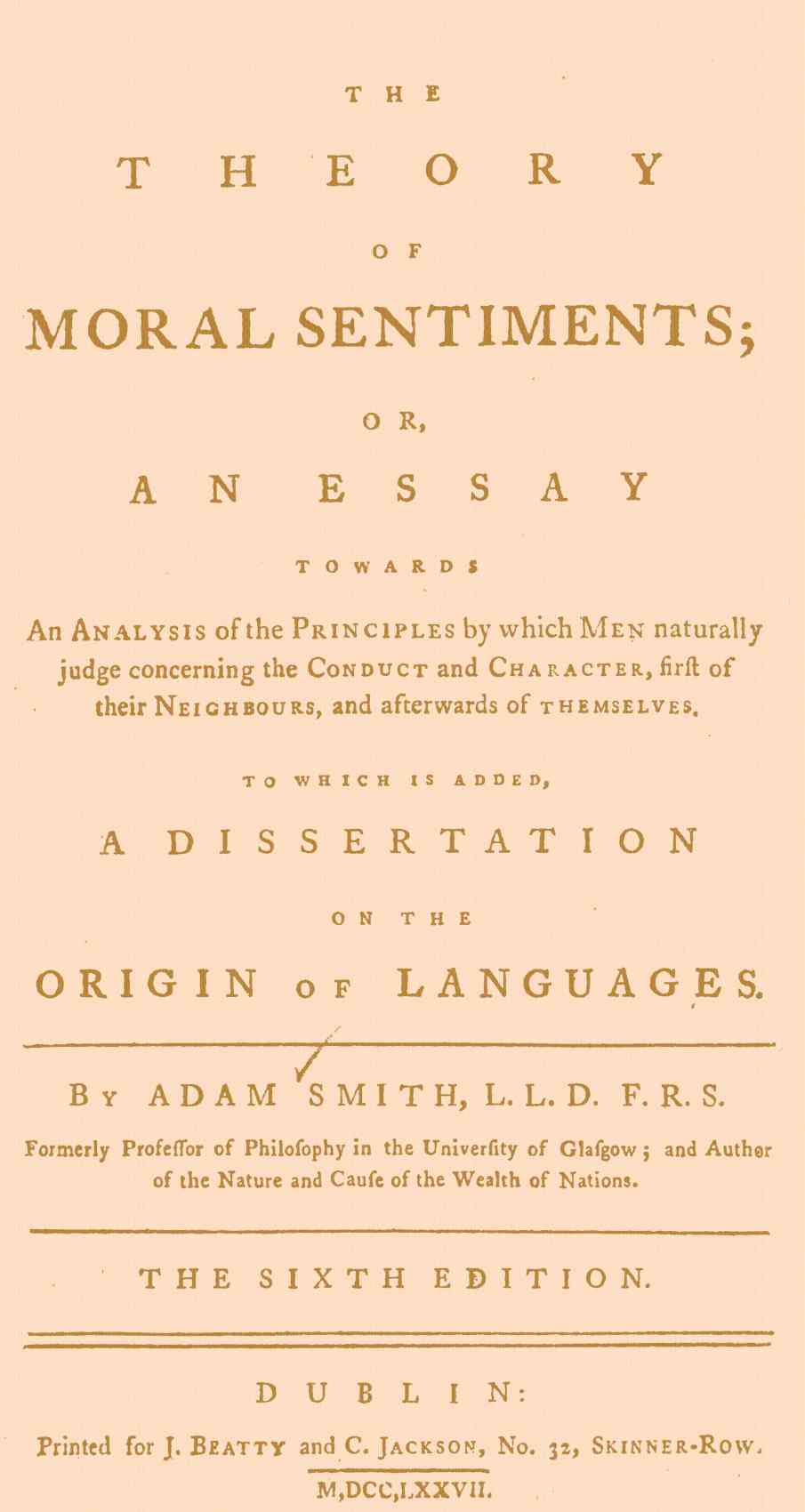





The work opens with the foundational premise that the annual labor of a nation supplies all necessaries and conveniences of life, with productivity depending primarily on the skill and judgment applied to labor and the proportion of productive workers. The division of labor emerges as the primary engine of this productivity, illustrated by the classic example of pin-making, where subdividing operations exponentially increases output. This division arises not from human foresight, but from a fundamental propensity in human nature to truck, barter, and exchange.
Because of this dependence on exchange, the extent of the division of labor is always limited by the extent of the market. Water-carriage, by offering cheaper and easier transport than land, historically enabled the earliest civilizations around the Mediterranean, Nile, and Ganges to develop commerce and opulence long before inland regions. As commercial societies grew, the barter of commodities became cumbersome, leading to the adoption of metals and ultimately coined money as the universal instrument of commerce to avoid the friction of direct trade.
Smith distinguishes between the real price of commodities—measured by the toil and trouble of acquiring them, or the labor they command—and their nominal price in money. As societies advance and capital accumulates alongside private land ownership, the price of a commodity resolves into three component parts: the wages of labor, the profit of stock, and the rent of land. These three elements constitute the original sources of all revenue.
Market prices fluctuate around a natural price, driven by the immediate relationship between the effectual demand and the quantity of a commodity brought to market. When supply falls short of effectual demand, competition drives the market price above the natural rate, while an excess forces it down. In the long run, the mechanisms of supply and capital mobility tend to pull market prices back toward this natural center.
The distribution of wealth among the ranks of society is governed by the progressive, stationary, or declining state of national wealth. In a thriving society where capital and revenue are increasing, the demand for labor pushes wages above the bare minimum of subsistence. Conversely, in a stationary or declining economy, workers face intense competition for scarce employment, reducing their condition to severe poverty.
Profits of stock, however, tend to move inversely to wages; as capital accumulates and competition among merchants increases, the general rate of profit diminishes. The work concludes by analyzing how various European policies, such as exclusive corporation privileges, apprenticeship laws, and restrictions on the movement of labor, create artificial inequalities by distorting the natural liberty of the market and hindering the optimal allocation of resources.