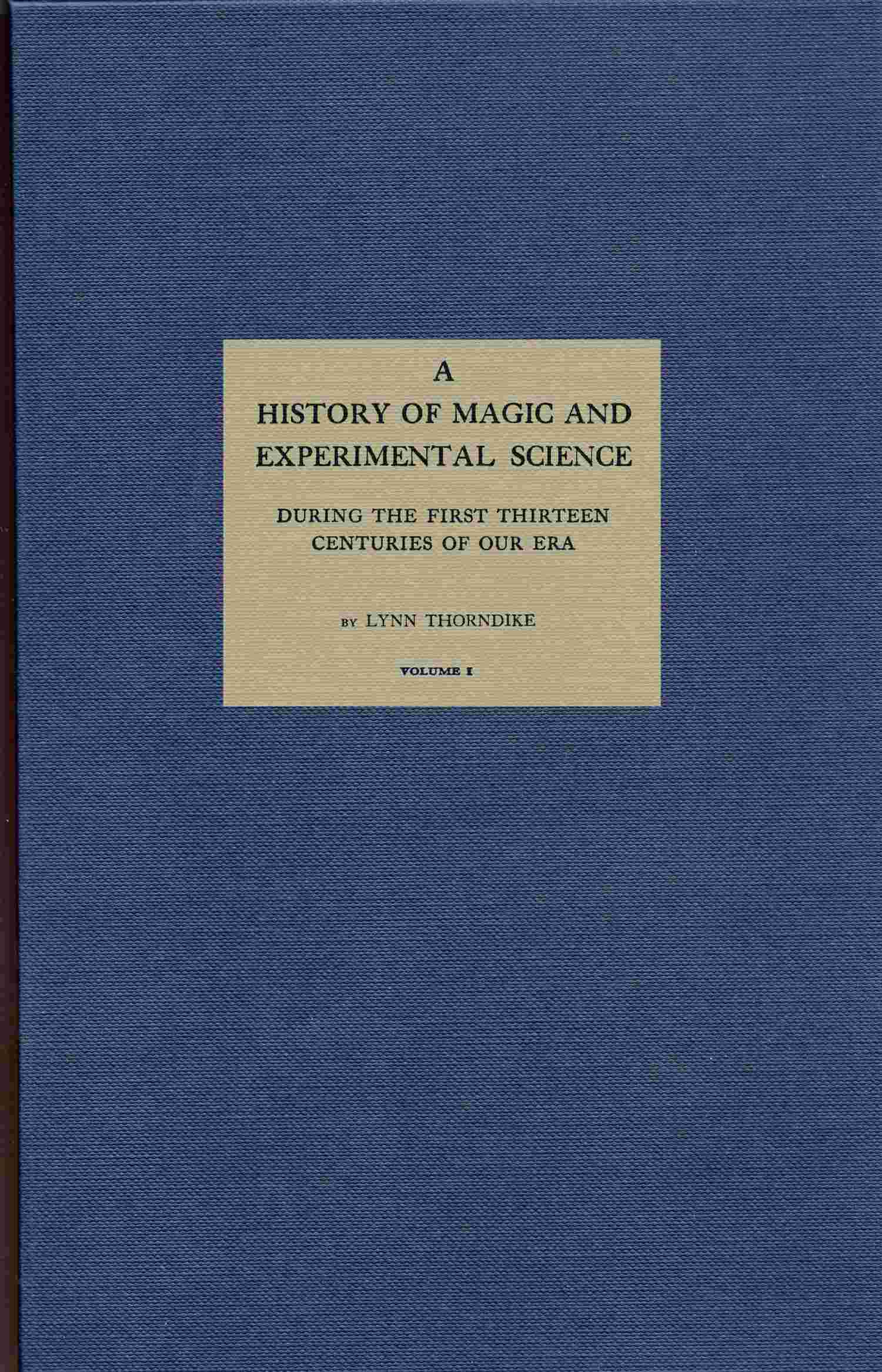


This foundational work explores the intricate history of magic and experimental science through thirteen centuries of European thought, charting a path from the Roman Empire to the twelfth and thirteenth centuries. The author traces how ancient scholars like Pliny, Galen, and Ptolemy struggled to distinguish between empirical investigation and superstitious traditions, such as astrology, alchemy, and divination. The central problem lies in the dual heritage of early science: the same thinkers who pioneered anatomy and mathematics also embraced amulets, incantations, and celestial influences. The narrative follows the transmission of these ideas through Greek, Arabic, and Latin texts, emphasizing how medieval universities inherited both rigorous reasoning and magical lore.
As the argument develops, the text reveals that early magic and experimental science were deeply intertwined, with magicians often acting as the first true experimenters. The work covers major intellectual figures, monastic scholars, and medical writers, illustrating how practical observation slowly emerged from a mass of folklore and occult doctrines. Without offering simplistic conclusions, the book shows how centuries of intellectual struggle ultimately laid the groundwork for modern scientific method.