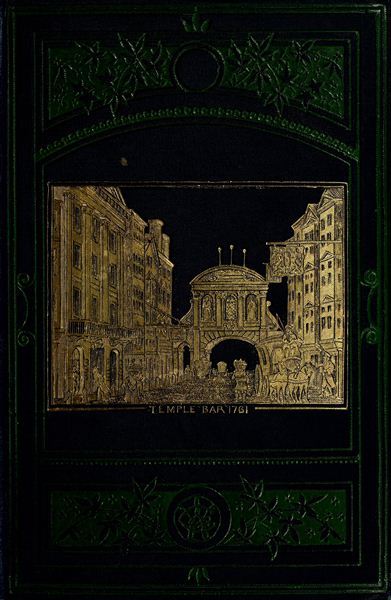



Walter Thornbury examines the haunted memories and historical layers of London, beginning his pilgrimage from Temple Bar and advancing through the Strand, the Savoy, and Charing Cross. Rather than dwelling on ghost stories, the author focuses on concrete traditions, biographical anecdotes, and the physical transformations of the city caused by time and modern improvements. He details the residences of great poets, painters, lawyers, and martyrs, carefully quoting original authorities to verify every historical claim without warping facts with fiction.
The narrative unfolds district by district, mapping out the social status of different epochs through the actual habitations of historical figures. Along the Strand, Thornbury traces the fate of ancient episcopal palaces like Exeter House and Arundel House, detailing the ambitions, plots, and downfalls of their powerful noble owners such as the Protector Somerset, the Earl of Leicester, and the unfortunate Earl of Essex. He describes the dark events and tragedies associated with these sites, including the execution of traitors whose heads crowned Temple Bar and the brutal murder of the actor Mountfort in Howard Street.
The survey moves through Somerset House, once the gloomy palace of queens and protectors, now transformed into Government offices, detailing its long architectural evolution and the various learned societies it sheltered. The narrative also explores the precinct of the Savoy, recounting its medieval splendour under John of Gaunt, its destruction during Wat Tyler's rebellion, and its eventual decay into a hospital and military prison.
Throughout the work, Thornbury reconstructs the vanished London of coffee-houses, pageants, and royal entries, connecting the past with the bustling present. He discusses the literary haunts of Dryden, Addison, and Dr. Johnson, while celebrating the enduring glory of London as the great centre of English art, commerce, and culture. The book concludes with a rich panorama of old streets and historic houses, preserving forgotten traits of English social history before the relentless pickaxes of modern civilisation erase them entirely.