



The epic begins with the gods deliberating the fate of Odysseus, who has spent ten years wandering the seas following the Trojan War and is currently detained by the nymph Calypso. Meanwhile, his home in Ithaca is overrun by insolent suitors who consume his estate and court his faithful wife, Penelope. Encouraged by the goddess Minerva, young Telemachus embarks on a journey to Pylus and Sparta to seek news of his missing father.
After Jupiter commands Calypso to release him, Odysseus builds a raft and sets sail, only to be struck by a violent tempest sent by Neptune. Washed ashore in Phæacia, he reveals his identity to King Alcinoüs and recounts his harrowing past adventures. His narrative details the blinding of the Cyclops Polyphemus, the destructive wrath of Æolus, the sorcery of Circe, and a perilous voyage to the infernal regions to consult the prophet Tiresias.
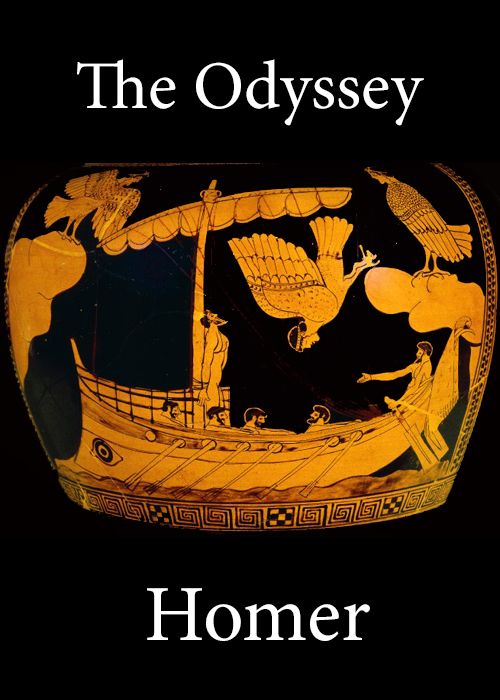
Odysseus also describes his narrow escapes from the enchanting Sirens, the multi-headed monster Scylla, and the whirlpool Charybdis, followed by the fatal disaster where his crew slaughtered the sacred oxen of the Sun. Transported silently to Ithaca by Phæacian sailors, Odysseus lands disguised as an old beggar and reunites with Telemachus and loyal servants, including the swineherd Eumæus.
Penelope devises a trial of the bow to settle her marriage, which none of the suitors can bend. Odysseus easily strings the weapon, shoots an arrow through twelve axe-rings, and turns his wrath upon the interlopers. With the aid of Telemachus and faithful herdsmen, he slaughters the suitors and punishes the disloyal maidservants.
After convincing a hesitant Penelope of his true identity through a secret concerning their immovable bed, Odysseus restores peace to his household. The narrative concludes with the reconciliation of the Ithacans, guided by Minerva, as Odysseus finally secures his rightful throne.