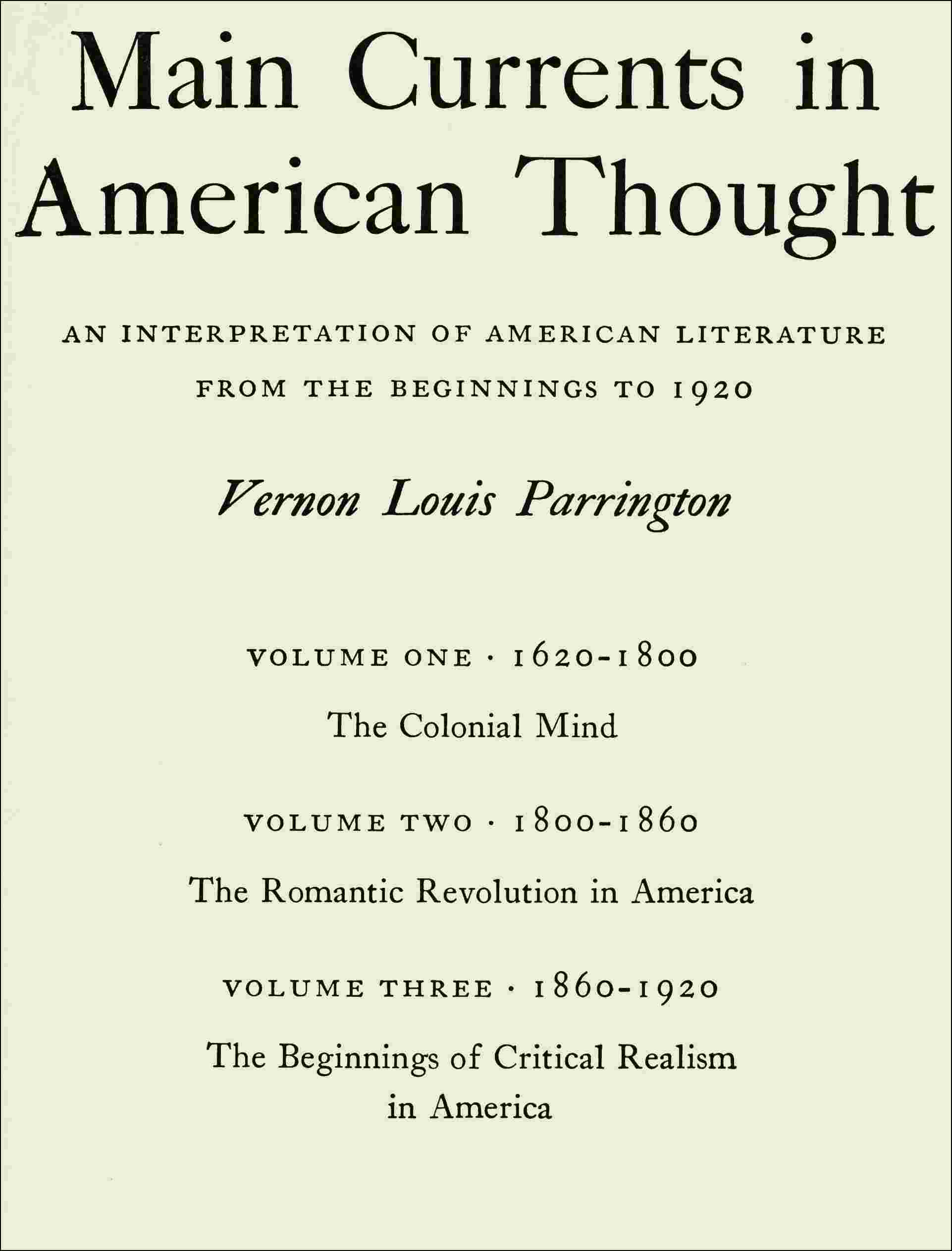


Vernon Louis Parrington undertakes a comprehensive interpretation of American literature and thought from sixteen twenty to nineteen twenty, tracing the genesis and evolution of germinal ideas that became traditionally American. Choosing the broad path of political, economic, and social development rather than a narrow belletristic one, Parrington demonstrates how the body of ideas from which literary culture eventually sprang was created by forces anterior to literary movements. In the first volume, focusing on the colonial mind from sixteen twenty to eighteen hundred, he examines the importation of old-world liberalisms—specifically English Independency and French romantic theory—and their interaction with native materials and native environments. He analyzes the clash between Puritan theology and liberal political philosophy in early New England, illustrating how theocracy and aristocracy struggled against the rising tide of democracy and local home rule.
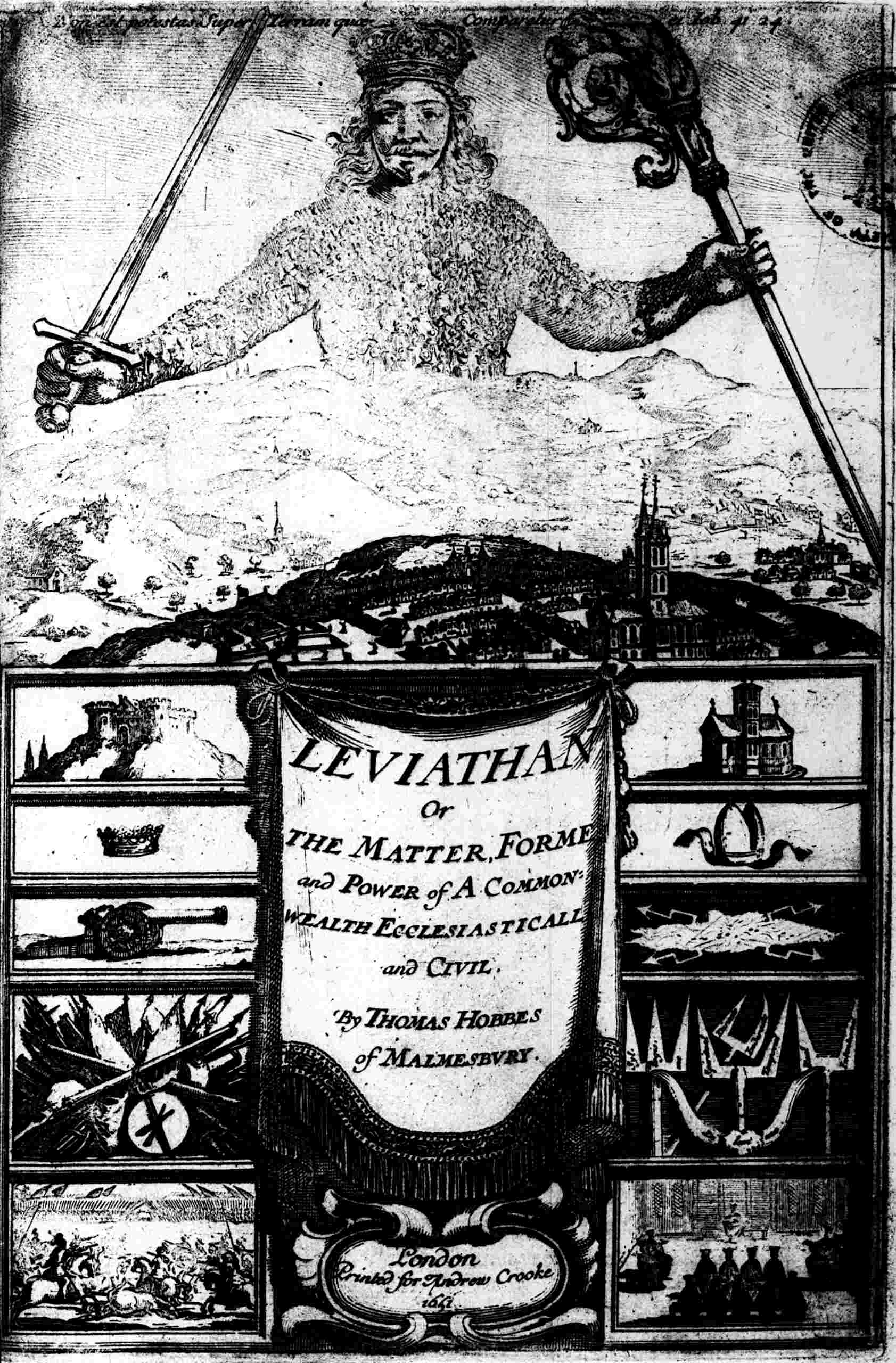
Main figures such as John Cotton, Roger Williams, Jonathan Edwards, and Benjamin Franklin embody the diverse tendencies of primitive America, from Calvinistic determinism and the leviathan state to agrarian democracy and natural rights. Parrington exposes the handicaps of the genteel tradition in literary history, arguing that no path leads more directly into the heart of early America than the thorny path of its theological and political controversies. He shows how the foundations of a later America were laid in vigorous polemics and mortared with idealism, culminating in the rejection of monarchy and the venture into republicanism. Through careful analysis of theological disputes, frontier conditions, and imperial struggles, Parrington reveals how native individualism and decentralized societies slowly eroded old-world repressions and disciplined the American mind for later democratic conquests.