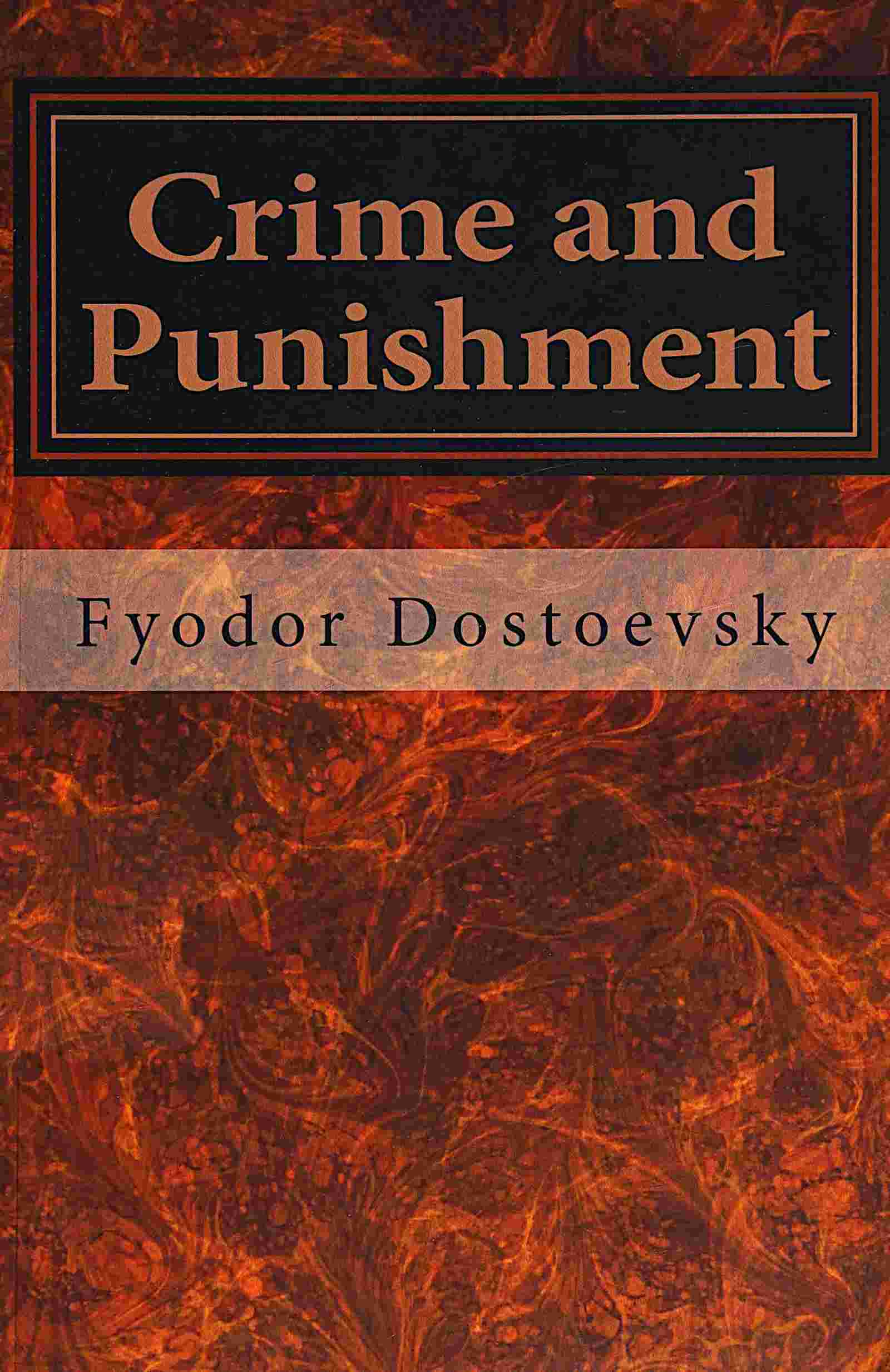




The novel opens in the sweltering heat of Saint Petersburg, where Rodion Raskolnikov, a former student crushed by utter poverty, isolates himself in a garret. Consumed by a radical theory that extraordinary individuals are above conventional morality, he formulates a plan to murder an old pawnbroker. Driven by desperation, alienation, and a desire to test his own philosophy, he commits the brutal crime with an axe, inadvertently killing the pawnbroker's innocent half-sister, Lizaveta, who stumbles upon the scene. From this moment onward, Raskolnikov is plunged into a living nightmare of paranoia, feverish delirium, and crushing psychological torment.
He wanders the city like a ghost, desperately trying to hide the stolen trinkets and cash while attempting to maintain his sanity against the rising tide of suspicion from the authorities, particularly the astute investigator Porfiry Petrovitch. Alongside the main plot, Dostoevsky weaves tragic subplots, most notably the story of Semyon Marmeladov, a ruined drunkard whose daughter Sonia is forced into prostitution to support her starving family. Sonia becomes a pivotal spiritual force, embodying Christian redemption and unconditional love, which contrasts sharply with Raskolnikov's cold intellectualism. As the net tightens around him and his inner conflict reaches an unbearable pitch, Raskolnikov is forced to confront the failure of his theory. The narrative charts his arduous path toward confession, his surrender to the authorities, and his subsequent exile to Siberia, where the harsh reality of penal servitude ultimately paves the way for his spiritual rebirth through the redemptive power of love.