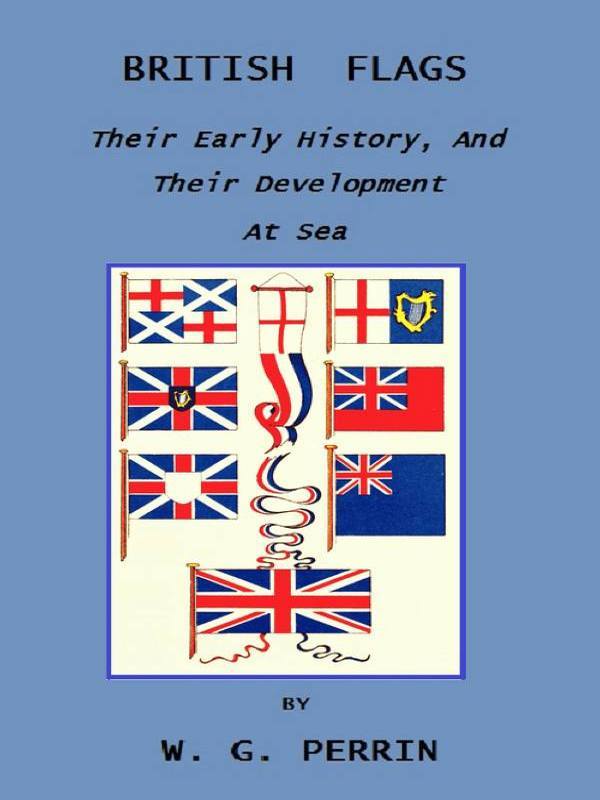






William Gordon Perrin meticulously examines the historical development of flags, banners, and naval insignia used by the British nation at sea from ancient times up to the early twentieth century. The text poses the central historical problem of why a seafaring nation was initially indifferent to its maritime history and traces how symbols like the cross of St George, the Union Jack, and various admirals' flags evolved through centuries of warfare, diplomacy, and changing political regimes. The narrative is organized chronologically and topically, covering early classical standards, the introduction of the flag in European waters, early English, Scottish, and Irish flags, the creation of the various Union flags and jacks, and the flags of command used by admirals and commanders in chief. Perrin examines the role of religious symbols, such as the banners of saints, and how they were eventually superseded by royal arms and national emblems.
The text details the specific mechanisms of naval signaling, ceremonial usages, and the rigorous regulations that governed the display of colors on royal and merchant ships. The historical analysis reveals how flags transformed from mere personal rallying points for feudal lords and monarchs into official symbols of state and collective national identity. While the book concludes with technical appendices and detailed descriptions of historical flag variations, the overarching narrative presents a comprehensive chronicle of maritime heraldry.